Mapping Pathways is a multi-national project to develop and nurture a research-driven, community-led global understanding of the emerging evidence base around the adoption of antiretroviral-based prevention strategies to end the HIV/AIDS epidemic. The evidence base is more than results from clinical trials - it must include stakeholder and community perspectives as well.

Showing posts with label HIV testing. Show all posts

21 August 2012

U.S. Preventive Services Task Force May Soon Make HIV Testing Routine

via the Huffington Post, by Salimah Ebrahim

Hiv Testing RoutineWASHINGTON, Aug 20 (Reuters) - A U.S. health panel may soon make HIV testing as standard a practice as checking cholesterol levels, a move that would fundamentally change how the virus is detected and treated.

The U.S. Preventive Services Task force, a government-backed group of clinicians and scientists, is expected to make a new recommendation on HIV screening available for public comment before the end of the year.

Health officials close to the panel, speaking on condition of anonymity, see it making a positive recommendation for routine screening, updating their current position, issued in 2005, which leaves the decision up to doctors.

Under President Barack Obama's healthcare law, passed in 2010, insurers are required to cover preventive services that are recommended by the task force.

"This would be one of those major sea changes ... moving away from what has been somewhat the segmentation of HIV - either by population, by geography," said Michael Kharfen, chief of community outreach for the Washington, D.C., Department of Health. Kharfen, who worked on the frontlines of the HIV epidemic in New York in the 1980s, recalls when the prognosis for the disease was "practically certain you were going to die.

"It still will take culture change for medical providers, but this will be a tremendous leap," he said

Read the rest.


[Content that is linked from other sources is for informational purposes and should not construe a Mapping Pathways position. Please look for us on Facebook here www.facebook.com/MappingPathways and you can follow us on Twitter @mappingpathways as well.]

20 July 2012

WHO issues first guidance on use of antiretrovirals by HIV-negative people at high risk to prevent infection


World Health Organization20 JULY 2012 | GENEVA / WASHINGTON DC - WHO has issued its first guidance to countries that are considering offering HIV medications, known as antiretrovirals (ARVs), to protect people who do not have the virus but who are at high risk of HIV infection.


Pre-exposure prophylaxis (PrEP):

The guidance is based on clinical trials indicating that a daily dose of oral antiretroviral medication, known as pre-exposure prophylaxis (PrEP), taken by HIV-negative people to reduce the risk of infection, is both safe for people to use and effective in preventing HIV. The iPrEX study shows that use of PrEP can reduce HIV infection by around 40% among men who have sex with men – and up to 73% among those who took the medicine regularly. The Partners PrEP study found 75% protection among serodiscordant couples (couples in which one person is HIV positive) in Kenya and Uganda.

The range of results in these studies highlight the potential benefits of PrEP, but also the importance of combining it with consistent use of condoms, as well as frequent HIV testing, counselling, and treatment of sexually transmitted infections.

They also emphasize the importance of taking medicines every day. Many people who are at high risk for HIV may not easily be able to incorporate the diligent treatment regimen required, so the next challenge is to ascertain how best to deliver PrEP to those who would benefit from it in ‘real life’ settings in order to achieve the necessary adherence and maximum public health gains.


PrEP projects in countries:

To better understand how PrEP can best contribute to a combination HIV prevention programme, WHO is encouraging countries wishing to introduce PrEP to first establish small projects to help public health workers to better understand and realize its potential benefits. In these projects, ARVs would be given to people at high risk of HIV infection. These could include uninfected men or transgender women who have sex with men who have a high risk of being HIV-positive. The aim is to identify which groups will benefit most from PrEP, and ascertain the best ways to deliver the services to them.

WHO will evaluate the outcome of these projects, together with the evolving scientific evidence. The results will help determine the best way to integrate PrEP guidance in future consolidated WHO guidelines on the use of antiretrovirals for preventing and treating HIV infection, which are expected in the summer of 2013.


Read the rest.


[Content that is linked from other sources is for informational purposes and should not construe a Mapping Pathways position. Please look for us on Facebook here www.facebook.com/MappingPathways and you can follow us on Twitter @mappingpathways as well.]

Save Lives: End the HIV Stigma


Ronald Johnson is vice president of policy and advocacy for AIDS United, a national nonprofit organization dedicated to ending the HIV/AIDS epidemic in our lifetimes. AIDS United is a Mapping Pathways partner.

Ronald JohnsonAs a gay black man who came of age just before the 1969 Stonewall riots, I've seen far too many examples of the inequalities that exist in America.


But I'm also highly encouraged by recent developments: same-sex marriage support from President Barack Obama and the NAACP, and a wave of federal court rulings -- from the Defense of Marriage Act being deemed unconstitutional to the rejection of California's Proposition 8 -- that have opened a promising new chapter in the gay rights movement.

All of this suggests that after many, many years, we are finally piercing the stigma surrounding being gay in America.

Now let's talk about erasing the stigma of HIV/AIDS.

Right now, 1.2 million Americans are living with HIV/AIDS. I am one of them.

Read the rest.


[Content that is linked from other sources is for informational purposes and should not construe a Mapping Pathways position. Please look for us on Facebook here www.facebook.com/MappingPathways and you can follow us on Twitter @mappingpathways as well.]
19 July 2012

PrEP Talk 101

via AIDSMEDS, by Trenton Straube

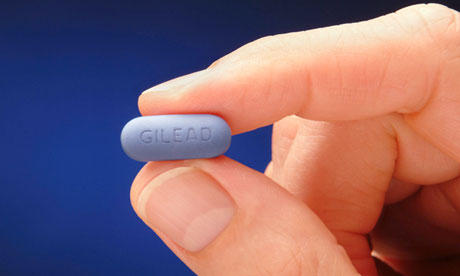
A pill prevents getting HIV? Here's what you need to know about Truvada, the HIV med the FDA just approved as pre-exposure prophylaxis (PrEP).

The HIV prevention toolbox just got a headline-grabbing addition. On July 16, the FDA approved Truvada as a pill that certain HIV-negative people can take to prevent them from getting HIV through sex. When taken as pre-exposure prophylaxis, or PrEP, Truvada, which is manufactured by Gilead Sciences, is supposed to be used daily along with safer-sex practices such as condoms and regular HIV testing. How does Truvada as PrEP work? Who is a good candidate for it, and what are the risks?

For answers, AIDSmeds spoke with three specialists: Jared Baeten, MD, PhD, an associate professor of global health and medicine at the University of Washington at Seattle and co-leader of the Partners PrEP study; Gal Mayer, MD, the medical director of the Callen-Lorde Community Health Center in New York City, whose primary focus is gay men; and Albert Liu, MD, MPH, the director of prevention interventions at the San Francisco Department of Public Health and also the medical director of the iPrEX study (more details on these studies later). Together, we break down the basic science and real-world application of Truvada as PrEP.

Read the rest.


[Content that is linked from other sources is for informational purposes and should not construe a Mapping Pathways position. Please look for us on Facebook here www.facebook.com/MappingPathways and you can follow us on Twitter @mappingpathways as well.]

18 July 2012

US approval of drug for HIV prevention welcomed cautiously in UK

via Pink News, by Stephen Gray

NAT said the drug would not take the place of condom use and education in mainstream prevention efforts (Photo: Karrie Nodalo)The decision by US authorities to approve the anti-retroviral drug Truvada for groups at risk of contracting HIV has been cautiously welcomed in the UK.

The US Food and Drug Administration approved Truvada for pre-exposure prophylaxis (PrEP), to help prevent HIV infection amongst those at very high risk.

the FDA emphasised the need for other prevention methods, such as safe sex practices, risk reduction counselling and regular HIV testing.

FDA commissioner Margaret A Hamburg said it was an “important milestone” in the fight against HIV.

She said: “Every year, about 50,000 US adults and adolescents are diagnosed with HIV infection, despite the availability of prevention methods and strategies to educate, test, and care for people living with the disease.

“New treatments as well as prevention methods are needed to fight the HIV epidemic in this country.”

Read the rest.


[Content that is linked from other sources is for informational purposes and should not construe a Mapping Pathways position. Please look for us on Facebook here www.facebook.com/MappingPathways and you can follow us on Twitter @mappingpathways as well.]

16 July 2012

FDA approves first drug for reducing the risk of sexually acquired HIV infection

via FDA

FDA News Release:

Today, the U.S. Food and Drug Administration approved Truvada (emtricitabine/tenofovir disoproxil fumarate), the first drug approved to reduce the risk of HIV infection in uninfected individuals who are at high risk of HIV infection and who may engage in sexual activity with HIV-infected partners. Truvada, taken daily, is to be used for pre-exposure prophylaxis (PrEP) in combination with safer sex practices to reduce the risk of sexually-acquired HIV infection in adults at high risk.

The FDA previously approved Truvada to be used in combination with other antiretroviral agents for the treatment of HIV-infected adults and children 12 years or older.

As part of PrEP, HIV-uninfected individuals who are at high risk will take Truvada daily to lower their chances of becoming infected with HIV should they be exposed to the virus. A PrEP indication means Truvada is approved for use as part of a comprehensive HIV prevention strategy that includes other prevention methods, such as safe sex practices, risk reduction counseling, and regular HIV testing.

"Today’s approval marks an important milestone in our fight against HIV," said FDA Commissioner Margaret A. Hamburg, M.D. "Every year, about 50,000 U.S. adults and adolescents are diagnosed with HIV infection, despite the availability of prevention methods and strategies to educate, test, and care for people living with the disease. New treatments as well as prevention methods are needed to fight the HIV epidemic in this country."

Read the rest here.


[Content that is linked from other sources is for informational purposes and should not construe a Mapping Pathways position. Please look for us on Facebook here www.facebook.com/MappingPathways and you can follow us on Twitter @mappingpathways as well.]

13 July 2012

An AIDS-Free Generation?

via Science, by Salim S. Abdool Karim

The HIV pandemic remains a great global health challenge.  With an estimated 3.3 million people living with HIV today, is there really hope of achieving the vision of an AIDS-free generation? Optimists argue that strong political will and generous funding are the essential elements. But skeptics point to the deep-seated structural inadequacies in many health care systems, especially in Africa, where the need is greatest.

However, both sides agree that a potential combination of therapeutic and prophylactic antiretroviral strategies brings the prospect of HIV control within reach. And this month, the International AIDS Conference in Washington, DC, “Turning the Tide Together,” will attempt to galvanize concerted global action to focus the world’s attention on this challenge.

Knowledge of HIV status is the common gateway to both treatment and prevention. But many people remain unaware of their HIV status. Denial, stigma, and a lack of understanding of vulnerability and risk lead to low rates of HIV testing, suboptimal condom use, and poor rates of circumcision. In addition to wider HIV testing, scale-up of ART therapy, both for the patient’s benefit and for the prevention benefi t to partners,will be key to reducing HIV transmission and to reaching zero new HIV infections.

Read the rest.

(This article requires you to sign up for a free registration to access to the full text)


[Content that is linked from other sources is for informational purposes and should not construe a Mapping Pathways position. Please look for us on Facebook here www.facebook.com/MappingPathways and you can follow us on Twitter @mappingpathways as well.]

05 July 2012

Views of policymakers, healthcare workers and NGOs on HIV pre-exposure prophylaxis (PrEP): a multinational qualitative study

[This is of great interest to the Mapping Pathways team as our work is quite similar. Very interesting!]


via British Medical Journal, by Ana Wheelock, Andreas B Eisingerich, Gabriela B Gomez, Emily Gray, Mark R Dybul, Peter Piot


Abstract

Objectives To examine policymakers and providers' views on pre-exposure prophylaxis (PrEP) and their willingness to support its introduction, to inform policy and practice in this emerging field.

Design Semistructured qualitative interview study.

Setting Peru, Ukraine, India, Kenya, Uganda, Botswana and South Africa.

Participants 35 policymakers, 35 healthcare workers and 21 non-governmental organisation representatives involved in HIV prevention.

Results Six themes emerged from the data: (1) perceived HIV prevention landscape: prevention initiatives needed to be improved and expanded; (2) PrEP awareness: 50 of 91 participants had heard of PrEP; (3) benefits of PrEP: one component of the combination prevention arsenal that could help prioritise HIV prevention, empower key populations and result in economic gains; (4) challenges of PrEP: regimen complexity, cost and cost-effectiveness, risk compensation, efficacy and effectiveness, stigmatisation and criminalisation, information and training and healthcare system capacity; (5) programmatic considerations: user eligibility, communication strategy, cost, distribution, medication and HIV testing compliance and (6) early versus late implementation: participants were divided as to whether they would support an early introduction of PrEP in their country or would prefer to wait until it has been successfully implemented in other countries, with around half of those we spoke to supporting each option. Very few said they would not support PrEP at all.

Conclusions Despite the multiple challenges identified, there was general willingness to support the introduction of PrEP. Yet, strengthening existing HIV prevention efforts was also deemed necessary. Our results suggest that an effective PrEP programme would be delivered in healthcare facilities and involve non-governmental organisations and the community and consider the needs of mobile populations. Comprehensive information packages and training for users and providers would be critical. The cost of PrEP would be affordable and possibly segmented. Extensive counselling and innovative monitoring measures ought to be considered.

Read the rest.


[Content that is linked from other sources is for informational purposes and should not construe a Mapping Pathways position. Please look for us on Facebook here www.facebook.com/MappingPathways and you can follow us on Twitter @mappingpathways as well.]

27 June 2012

CDC Offers Free AIDS Tests at Drugstores

via washingtontimes.com, via Mike Stobbe

ATLANTA (AP) - Getting an AIDS test at the drugstore could become as common as a flu shot or blood pressure check, if a new pilot program takes off.

The $1.2 million program will offer the free rapid HIV tests at pharmacies and in-store clinics in 24 cities and rural communities, the Centers for Disease Control and Prevention announced Tuesday.

“We believe we can reach more people by making testing more accessible and reduce the stigma associated with HIV,” Dr. Kevin Fenton, who oversees the agency’s HIV prevention programs, said in a statement.

The tests are already available at seven places, including Washington, D.C., Oakland, Calif., and an Indian health service clinic in Montana. The CDC will soon pick 17 more locations.

The HIV test is a swab inside the mouth; it takes about 20 minutes for a preliminary result. The test maker says it’s correct 99 percent of the time. If the test is positive for the AIDS virus, pharmacy employees will refer customers to a local health department or other health care providers for a lab blood test to confirm the results, counseling and treatment. The workers are expected to deliver the news face-to-face and give customers privacy, the CDC said.

An estimated 1.1 million Americans are infected with HIV, but as many as 20 percent of them don’t know they carry the virus, according to the CDC. It can take a decade or more for an infection to cause symptoms and illness.

Since 2006, the CDC has recommended that all Americans ages 13 to 64 get tested at least once, not just those considered at highest risk: gay men and intravenous drug users. But fewer than half of adults younger than 65 have been tested, according to the agency’s most recent statistics.

It’s important to know about infection not only for treating the condition but also to take steps to prevent spreading it to others. An HIV diagnosis used to be a death sentence, but medications now allow those infected to live longer and healthier lives.

Read the rest.


[Content that is linked from other sources is for informational purposes and should not construe a Mapping Pathways position. Please look for us on Facebook here www.facebook.com/MappingPathways and you can follow us on Twitter @mappingpathways as well.]

13 June 2012

Advisory Committee Recommends FDA Approval of In-Home HIV Test

via nature.com, by Cassandra Willyard

Last month, patient advocates hailed the unanimous vote by an advisory committee to the US Food and Drug Administration that recommended that the agency approve the OraQuick In-Home HIV test, an over-the-counter diagnostic that can be taken without medical supervision. If approved, the OraQuick test would be the first home test approved for an infectious disease. But concerns remain about whether the price will render it out of reach of those who need it most and what the test will mean for the handful of individuals participating in HIV vaccine trials.

The OraQuick test, from Pennsylvania-based OraSure Technologies, is a home version of a rapid HIV test already used in many medical centers. The kit includes an instructional booklet and a test stick, which the user swipes along his or her upper and lower gums and contains molecules that react against HIV-specific antibodies produced by the body. Results are ready just 20 minutes later. Two lines on the dipstick signify a positive result, which must be confirmed by a more sensitive test at a clinical laboratory. The company plans to provide a 24-hour hotline so that customers can ask questions or receive counseling, but the phone call is optional.

FDA approval of OraQuick would probably pave the way for other in-home HIV tests. Chembio Diagnostic Systems, based just outside New York City, already plans to seek approval for a home version of its rapid 'Sure Check HIV' test, which requires a drop of blood. Although over-the-counter tests for HIV and hepatitis C are already available from Illinois-based Home Access Health Corporation, both require the consumer to send a blood specimen to a laboratory for analysis and results.

No test is perfect, however, and one major concern is that people who test negative using the OraQuick kit might actually have HIV. In a recent phase 3 trial, OraSure gave the prototype to 5,662 individuals to use in their homes. The results, made public by the company in filing for approval, indicate that only 93% of the 114 individuals infected with HIV received a positive test result. In the clinical setting, the same test is 99% accurate. Why the home test missed so many infections isn't clear. Because the OraQuick test detects HIV-specific antibodies, recently infected individuals may test negative. False positives seemed to be less of a problem; only one uninfected study participant tested positive.

Read the rest.


[Content that is linked from other sources is for informational purposes and should not construe a Mapping Pathways position. Please look for us on Facebook here www.facebook.com/MappingPathways and you can follow us on Twitter @mappingpathways as well.]

15 May 2012

Orasure In-Home HIV Test Gets Unanimous Approval Recommendation


Orasure’s oral swab-based rapid in-home HIV test has been recommended for approval by the U.S. Food and Drug Administration’s Blood Products Advisory Committee. If the FDA follows its advisory committee’s recommendation, the Oraquick In-Home HIV Test will be the first complete home-based screening assay for any infectious disease available for purchase over-the-counter (OTC) from pharmacies and internet retailers.

The advisory committee voted unanimously, 17-0, in favor of the test upon being asked two questions: Do the available clinical trial results provide reasonable assurance that the test is safe and effective? And, importantly, do the benefits of in-home HIV testing outweigh the potential risks, notably false negative and false positive results?

The particulars of the second question were hotly discussed throughout the May 15 meeting in Gaithersburg, Maryland. Of concern to the FDA presenters and advisory committee panelists is the test’s reduced sensitivity—its effectiveness at screening for HIV antibodies in those infected with the virus—compared with the professional oral swab OraQuick assay.

Read the rest.

[Content that is linked from other sources is for informational purposes and should not construe a Mapping Pathways position.]

14 March 2012

Evaluation of PrEP Data and Decisions Taken in 2011


More than a decade ago, “AIDS Drugs for Africa” was one of the rallying cries for a global activist movement.The meaning was simple: treat HIV-positive people with potent, life-saving medications regardless of where they live, how much money they have or who they love. These days, the phrase has more meanings than we could have ever imagined. The past two years have brought a range of data on the use of antiretrovirals for HIV prevention in HIV-negative people, as well as a preventive strategy in HIV-positive people. These developments are exciting, but the situation is far from simple. There are questions about feasibility and about levels of effectiveness observed in different trials. Today, many people want to know: Can antiretrovirals (ARVs) be used for HIV prevention in HIV-negative people? If so, which types of products, programs and for which populations is this prevention most effective?

The answers to these questions depend on several factors, including science, policy, funding, community demand, andthe future of treatment access for people with HIV. Not surprisingly, the possibility of using an ARV based prevention method in HIV-negative people generates strong opinions, both in favor of such a prevention tool and those opposed. In light of the potential, many questions have arisen including: Is it feasible? Will people actually use a pill or a gel once a day? Is it ethical, given the enduring need for ARVs for HIV-positive people worldwide? And, do we know enough from the trials to-date to describe levels of safety and effectiveness anticipated in a real world health care setting?

None of these questions have been completely answered. But over the past year, there has been a steady stream of developments that have both complicated and clarified the discussions. Mixed data on topical PrEP, such as the vaginal microbicide 1% tenofovir gel, and oral PrEP in women have left scientists and advocates perplexed. Many fear that the obstacles inherent in providing ARVs to HIVnegative people—repeated HIV testing, the need to ensure access for HIV-positive people, additional staffing requirements, and more—will overshadow the potential of these new tools. For advocates who want to see a full exploration of what ARV-based prevention can do in their communities, it’s as important as it has ever been to stay informed of developments as they emerge and maintain a firm pursuit of the ultimate goal: to curb the epidemic by preserving health in HIV-positive people and preventing as many new infections as possible.

Read the Rest.


[Content that is linked from other sources is for informational purposes and should not construe a Mapping Pathways position.]

02 March 2012

Encouraging South Africans to Get Tested in Order to Seek Treatment

viaAllAfrica.com

When government made antiretrovirals (ARVs) available for people living with HIV/Aids, Grace Seopela grabbed the opportunity with both hands as she had a strong will to live and fight the virus.

Seopela, who is an HIV ambassador, has been living with HIV for the past eight years and is now encouraging South Africans to get tested as she has seen the benefits of taking treatment.

Speaking at the launch of the HIV Counselling and Testing (HCT) campaign on Friday at Eskom's construction site of the Kusile power station in Mpumalanga, Seopela urged employees to know their status as this would empower them to make critical decisions about their lives.

"If it wasn't for government, which gives us treatment, maybe I wouldn't be alive today... When the treatment was made available to us, I grabbed that opportunity and now I control HIV ..." Seopela said.
About 80 percent of Eskom employees got tested last year when the campaign was launched at Medupi power station in Limpopo. This week, Eskom continued with its campaign to get employees to know their status.

Health Minister Dr Aaron Motsoaledi was at Kusile today, where about 5 000 staff members got tested during the five-day campaign which started on Tuesday.
Chairperson of Eskom Holdings, Zoli Tsotsi, said the enthusiasm shown by staff members towards the campaign was encouraging, as 91 percent of Eskom employees now knew their HIV status.

Read the Rest.


[Content that is linked from other sources is for informational purposes and should not construe a Mapping Pathways position.]

07 October 2011

Quick Follow-Up Testing Increases the Rate of People Seeking Antiretroviral Treatment

via The New York Times, by Nicholas Bakalar

In low-income countries, as many as two-thirds of those in need of antiretroviral drugs to treat H.I.V. infection never get them. One reason is that after a positive H.I.V. test, many patients never return to the clinic for the next step — a test to determine blood levels of CD4 cells, a measure of immune function essential to deciding whether treatment is needed, and if so, what kind.

New equipment makes it possible to determine CD4 counts immediately after a patient tests positive for H.I.V. A study published online in The Lancet last week found that so-called point-of-care testing in Mozambique has resulted in a substantial increase in the number of patients whose CD4 counts are evaluated.

Researchers studied results at four public health clinics in Mozambique, looking at data on more than 900 patients who were found to be infected before and after point-of-care CD4 testing was instituted. About 70 percent of them were women.

Before quick testing was available, 42 percent of infected patients returned to learn their CD4 count at a subsequent visit. After point-of-care testing began, 78 percent of infected patients were evaluated — that is, almost twice as many infected people took this important first step toward drug treatment.

“These point-of-care technologies are great and are going to solve lots of access issues,” said the study’s lead author, Dr. Ilesh V. Jani, director of the National Institute of Health in Mozambique. “But they are not magic bullets. The 78 percent means that we have managed to increase efficiency. But where did the other 22 percent go?”

Read the Abstract of the study here.


[Content that is linked from other sources is for informational purposes and should not construe a Mapping Pathways position.]

26 September 2011

Mobile testing units show success in linking people to HIV care and treatment

via aidsmap, by Carole Leach-Lemens

Linkage to facility-based HIV care from a mobile testing unit is feasible, South African researchers report in the advance online edition of the Journal of Acquired Immune Deficiency Syndromes.

In a stratified random sample of 192 newly diagnosed individuals who had received CD4 test results, linkage to care was best among those who were ART eligible, Darshini Govindasamy and colleagues found.

The lower the CD4 cell count the greater the linkage to care: all of those with CD4 counts at or under 200 cells/mm3, two-thirds of those with CD4 counts of 201-350 cells/mm3 and a third of those with CD4 counts over 350 cells/mm3 linked to care.

An estimated two million people died as a result of HIV/AIDS in sub-Saharan Africa in 2008. South Africa now has the largest ART programme in the world, yet half of those in need of treatment do not get it. And a large number of those who do present for care, present late with low CD4 cell counts increasing their risk of early death.

In South Africa traditional HIV counselling and testing (HCT) sites at stationary facilities have increased and consequently so have the numbers tested. Yet this has not resulted in increased numbers on treatment and in care.

Transport costs, being male and having a low CD4 cell count have been well documented as the primary barriers of non-linkage to care.

Successful early diagnosis of HIV has to be accompanied by strategies that assure timely linkage to care and treatment so improving health outcomes.

Mobile testing units offer several advantages: people are often tested at an earlier stage of HIV; it is easier for hard-to-reach and high-risk populations to test; and they are cost-effective. However, maintaining on-going HIV care may prove difficult, requiring referral to stationery facilities.

Read the rest.


[Content that is linked from other sources is for informational purposes and should not construe a Mapping Pathways position.]

19 September 2011

HIV Prevention Trials Network (HPTN) Awarded $37 Million for New PopART Trial

via HIV Prevention Trials Network

HPTN 071
The PopART Study

The HIV Prevention Trials Network (HPTN) is delighted to announce a new study, PopART, (HPTN 071), which will examine the impact of a combination prevention strategy, including early antiretroviral therapy (ART), on population level HIV incidence in Zambia and South Africa. Partners for this study include the London School of Hygiene and Tropical Medicine, Imperial College, London, the Zambia AIDS Related Tuberculosis Project (ZAMBART), and the Desmond Tutu TB Centre (DTTC).

HPTN 071 is a natural extension of HPTN’s robust HIV prevention research and will build upon the network’s groundbreaking studies. The primary objective of HPTN 071 is to evaluate a prevention package utilizing a combination of interventions includ-ing voluntary testing, counseling and antiretroviral therapy (ART). The study is in line with the goals of the U.S. President’s Emer-gency Plan for AIDS Relief (PEPFAR) which aims to “expand its emphasis on HIV prevention, and matching interventions and investments with epidemiological trends and needs in order to improve impact.”

Read the rest. 


[Content that is linked from other sources is for informational purposes and should not construe a Mapping Pathways position.]

15 September 2011

TLC+ Strategies in 4 US Cities: San Francisco, Los Angeles, Birmingham, and Washington D.C.

via Project Inform, by Mark R. Vogel

Despite significant advances in the treatment and prevention of HIV, the number of new HIV infections in the United States holds steady at about 50,000.1 Furthermore, 21% of individuals infected with HIV in the United States are not aware of their status, and an estimated 33% of those who know that they are HIV-positive are not engaged in care and treatment for their disease.2 Another 38% of newly diagnosed individuals test positive for HIV so late that they receive an AIDS diagnosis at the same time as, or within a year of testing positive.3 Clearly, novel prevention strategies, ways to engage individuals in care sooner after infection, and methods to maintain them in care and treatment needed.

One such strategy is the Test, Link to Care, Plus Treat (TLC-Plus) approach. TLC-Plus addresses several aspects of the healthcare system that can be improved to help those with HIV live longer and healthier lives while also reducing transmission of the virus to others. The National HIV/AIDS Strategy places testing, linkage to care, treatment and support services at the center of efforts to improve the health outcomes of HIV-positive individuals and to prevent new infections.4

This paper examines successful components of TLC-Plus programs in four jurisdictions and specific strategies used to achieve desired health outcomes, as described by public health officials in each. It is our hope that these strategies may be used to inform the development of TLC-Plus programs across the country. Consideration is also given to funding and to the role of electronic medical records, in Louisiana, in assisting patients who have fallen out of (or never entered into) care.

Read the rest.


[Content that is linked from other sources is for informational purposes and should not construe a Mapping Pathways position.]
 

29 July 2011

Retention in HIV Care between Testing and Treatment in Sub-Saharan Africa: A Systematic Review


Background


Improving the outcomes of HIV/AIDS treatment programs in resource-limited settings requires successful linkage of patients testing positive for HIV to pre–antiretroviral therapy (ART) care and retention in pre-ART care until ART initiation. We conducted a systematic review of pre-ART retention in care in Africa.


Methods and Findings


We searched PubMed, ISI Web of Knowledge, conference abstracts, and reference lists for reports on the proportion of adult patients retained between any two points between testing positive for HIV and initiating ART in sub-Saharan African HIV/AIDS care programs. Results were categorized as Stage 1 (from HIV testing to receipt of CD4 count results or clinical staging), Stage 2 (from staging to ART eligibility), or Stage 3 (from ART eligibility to ART initiation). Medians (ranges) were reported for the proportions of patients retained in each stage. We identified 28 eligible studies. The median proportion retained in Stage 1 was 59% (35%–88%); Stage 2, 46% (31%–95%); and Stage 3, 68% (14%–84%). Most studies reported on only one stage; none followed a cohort of patients through all three stages. Enrollment criteria, terminology, end points, follow-up, and outcomes varied widely and were often poorly defined, making aggregation of results difficult. Synthesis of findings from multiple studies suggests that fewer than one-third of patients testing positive for HIV and not yet eligible for ART when diagnosed are retained continuously in care, though this estimate should be regarded with caution because of review limitations.


Conclusions


Studies of retention in pre-ART care report substantial loss of patients at every step, starting with patients who do not return for their initial CD4 count results and ending with those who do not initiate ART despite eligibility. Better health information systems that allow patients to be tracked between service delivery points are needed to properly evaluate pre-ART loss to care, and researchers should attempt to standardize the terminology, definitions, and time periods reported.

[Content that is linked from other sources is for informational purposes and should not construe a Mapping Pathways position.]

16 June 2011

HPTN 052: Responses, benefits and challenges


The HPTN 052 study's compelling interim results on "treatment as prevention" are eliciting strong reactions from various players in the HIV/AIDS prevention community. According to UNAIDS, "the breakthrough is a serious game-changer", and AVAC has stated that "the upcoming UN High Level Meeting on AIDS should set treatment and prevention targets that take the HPTN 052 results into account." Other have voiced concerns that the evidence may not be compelling enough for some segments; for instance, in Sub-Saharan Africa, where most people remain untested, the methodology used in the HPTN 052 study may not be as effective as hoped.

There are other critical questions as well: How will we improve rates of diagnosis without coercion? How will governments and communities build the capacity to treat people with HIV promptly and effectively? What are the cost implications?

A few days ago, aidsmap published an excellent article, tackling these issues and concerns. To read more about the reactions, the possible benefits, the challenges and proposed solutions, and the dollars-and-cents issues, click here.

Also, folks from the US, South Africa and India who are interested in new ways to prevent transmission of HIV – and want to help shape our project goals and deliverables – are highly encouraged to take a few minutes and fill in our survey.

Your efforts will be greatly appreciated!

Take the survey now.

[Content that is linked from other sources is for informational purposes and should not construe a Mapping Pathways position.]

13 June 2011

South Africa: Use ARVs to Eliminate HIV in the Next 30yrs

Via allAfrica.com, by Mary Dutki.

A plan to eliminate HIV and AIDS using antiretroviral drugs (ARVs) within the next 30 years has been unveiled by scientists from the South African Centre for Epidemiological Modeling and Analysis (SACEMA).

The plan which was unveiled last month in San Diego, California at a meeting of the American Association for the Advancement of Science proposes the aggressive use of blanket HIV testing followed with ARVs for all individuals testing positive for HIV.

With 33.4 million people living with HIV/AIDS in 2008, 2.7 million new HIV infections and 2 million deaths due to AIDS within the same year, scientists are turning their focus on antiretroviral therapy which they consider to be the only real success so far in HIV prevention. Antiretroviral therapy lowers the amount of the HIV virus in the blood to levels that render HIV positive individuals virtually non-infectious.

The scientists argue that antiretroviral treatment has so far been given too late in the course of many individuals' lives and thus treatment has not helped in reducing transmission rates.

This time however they are suggesting early testing and treatment, targeting the most sexually active population.

Read the rest here.

[Content that is linked from other sources is for informational purposes and should not construe a Mapping Pathways position.]