Mapping Pathways is a multi-national project to develop and nurture a research-driven, community-led global understanding of the emerging evidence base around the adoption of antiretroviral-based prevention strategies to end the HIV/AIDS epidemic. The evidence base is more than results from clinical trials - it must include stakeholder and community perspectives as well.

Showing posts with label condoms. Show all posts

20 July 2012

HIV/AIDS: WHO issues guidelines on PrEP

via PlusNews

NAIROBI/KAMPALA, 20 July 2012 (PlusNews) - Days after US officials gave unprecedented approval for the use of an antiretroviral drug by HIV-negative people to reduce the risk of their acquiring the HI virus, the World Health Organization (WHO) has issued guidance to governments on so-called pre-exposure prophylaxis (PrEP).


WHO's guidelines, which call for a cautious and gradual roll-out, will likely see many countries begin to add PrEP to the growing arsenal of tools in the fight against HIV.

The guidance is based on evidence from clinical trials on the daily use of ARVs for HIV prevention among high-risk HIV-negative people. A 2010 study - Iniciativa Profilaxis Preexposicion, or Prexposure Prophylaxis Initiative (iPrEX) - among men who have sex with men (MSM) and transgender people, found that a daily dose of the ARV, Truvada - a combination of emtricitabine and tenofovir disoproxil fumarate - reduced HIV infection risk by about 42 percent.

The 2011 Partners PrEP study in Kenya and Uganda concluded that a daily dose of Truvada, taken by the HIV-negative partner in a heterosexual HIV-discordant relationship - where one sexual partner is infected and the other is not - could reduce the risk of HIV transmission by up to 75 percent.

Read the rest.


[Content that is linked from other sources is for informational purposes and should not construe a Mapping Pathways position. Please look for us on Facebook here www.facebook.com/MappingPathways and you can follow us on Twitter @mappingpathways as well.]

WHO issues first guidance on use of antiretrovirals by HIV-negative people at high risk to prevent infection


World Health Organization20 JULY 2012 | GENEVA / WASHINGTON DC - WHO has issued its first guidance to countries that are considering offering HIV medications, known as antiretrovirals (ARVs), to protect people who do not have the virus but who are at high risk of HIV infection.


Pre-exposure prophylaxis (PrEP):

The guidance is based on clinical trials indicating that a daily dose of oral antiretroviral medication, known as pre-exposure prophylaxis (PrEP), taken by HIV-negative people to reduce the risk of infection, is both safe for people to use and effective in preventing HIV. The iPrEX study shows that use of PrEP can reduce HIV infection by around 40% among men who have sex with men – and up to 73% among those who took the medicine regularly. The Partners PrEP study found 75% protection among serodiscordant couples (couples in which one person is HIV positive) in Kenya and Uganda.

The range of results in these studies highlight the potential benefits of PrEP, but also the importance of combining it with consistent use of condoms, as well as frequent HIV testing, counselling, and treatment of sexually transmitted infections.

They also emphasize the importance of taking medicines every day. Many people who are at high risk for HIV may not easily be able to incorporate the diligent treatment regimen required, so the next challenge is to ascertain how best to deliver PrEP to those who would benefit from it in ‘real life’ settings in order to achieve the necessary adherence and maximum public health gains.


PrEP projects in countries:

To better understand how PrEP can best contribute to a combination HIV prevention programme, WHO is encouraging countries wishing to introduce PrEP to first establish small projects to help public health workers to better understand and realize its potential benefits. In these projects, ARVs would be given to people at high risk of HIV infection. These could include uninfected men or transgender women who have sex with men who have a high risk of being HIV-positive. The aim is to identify which groups will benefit most from PrEP, and ascertain the best ways to deliver the services to them.

WHO will evaluate the outcome of these projects, together with the evolving scientific evidence. The results will help determine the best way to integrate PrEP guidance in future consolidated WHO guidelines on the use of antiretrovirals for preventing and treating HIV infection, which are expected in the summer of 2013.


Read the rest.


[Content that is linked from other sources is for informational purposes and should not construe a Mapping Pathways position. Please look for us on Facebook here www.facebook.com/MappingPathways and you can follow us on Twitter @mappingpathways as well.]

19 July 2012

PrEP Talk 101

via AIDSMEDS, by Trenton Straube

A pill prevents getting HIV? Here's what you need to know about Truvada, the HIV med the FDA just approved as pre-exposure prophylaxis (PrEP).

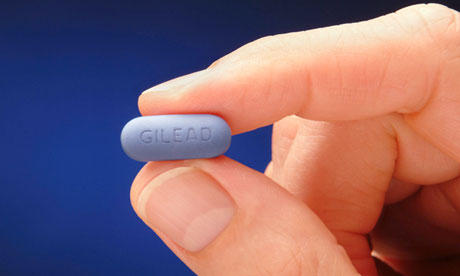
The HIV prevention toolbox just got a headline-grabbing addition. On July 16, the FDA approved Truvada as a pill that certain HIV-negative people can take to prevent them from getting HIV through sex. When taken as pre-exposure prophylaxis, or PrEP, Truvada, which is manufactured by Gilead Sciences, is supposed to be used daily along with safer-sex practices such as condoms and regular HIV testing. How does Truvada as PrEP work? Who is a good candidate for it, and what are the risks?

For answers, AIDSmeds spoke with three specialists: Jared Baeten, MD, PhD, an associate professor of global health and medicine at the University of Washington at Seattle and co-leader of the Partners PrEP study; Gal Mayer, MD, the medical director of the Callen-Lorde Community Health Center in New York City, whose primary focus is gay men; and Albert Liu, MD, MPH, the director of prevention interventions at the San Francisco Department of Public Health and also the medical director of the iPrEX study (more details on these studies later). Together, we break down the basic science and real-world application of Truvada as PrEP.

Read the rest.


[Content that is linked from other sources is for informational purposes and should not construe a Mapping Pathways position. Please look for us on Facebook here www.facebook.com/MappingPathways and you can follow us on Twitter @mappingpathways as well.]

13 July 2012

An AIDS-Free Generation?

via Science, by Salim S. Abdool Karim

The HIV pandemic remains a great global health challenge.  With an estimated 3.3 million people living with HIV today, is there really hope of achieving the vision of an AIDS-free generation? Optimists argue that strong political will and generous funding are the essential elements. But skeptics point to the deep-seated structural inadequacies in many health care systems, especially in Africa, where the need is greatest.

However, both sides agree that a potential combination of therapeutic and prophylactic antiretroviral strategies brings the prospect of HIV control within reach. And this month, the International AIDS Conference in Washington, DC, “Turning the Tide Together,” will attempt to galvanize concerted global action to focus the world’s attention on this challenge.

Knowledge of HIV status is the common gateway to both treatment and prevention. But many people remain unaware of their HIV status. Denial, stigma, and a lack of understanding of vulnerability and risk lead to low rates of HIV testing, suboptimal condom use, and poor rates of circumcision. In addition to wider HIV testing, scale-up of ART therapy, both for the patient’s benefit and for the prevention benefi t to partners,will be key to reducing HIV transmission and to reaching zero new HIV infections.

Read the rest.

(This article requires you to sign up for a free registration to access to the full text)


[Content that is linked from other sources is for informational purposes and should not construe a Mapping Pathways position. Please look for us on Facebook here www.facebook.com/MappingPathways and you can follow us on Twitter @mappingpathways as well.]

28 June 2012

Reasons to Use Biomedical Prevention to Fight HIV/AIDS

via thewarning.info

In France, the controversy between HIV organizations about PrEP appear in the media and social networks, from moral considerations disguised in ethical objections to classic behavioral speculations (as there was on the TasP or PEP) [4].

So, to clarify and defuse the situation, it should be noted some points :

The biomedical prevention is a revolution in terms of sexual and mental health for serodifferent couples (especially those who want to have children) and poz sex workers (under pressure from their customers to have condomless sex), removing the risk and visceral fear of contamination. It is essential for fighting the demonization of people living with HIV/Aids (PLWHA) in our poz-phobic society : they are no longer considered as « viral bombs ».

- The biomedical prevention is a need expressed by all PLWHAs and peoples concerned by HIV [5].

- The biomedical prevention is an additional argument for the battle for universal access to treatment in poor countries and in prisons.

- The biomedical prevention is an important argument against the criminalization of HIV transmission, which beyond our respective countries, is increasing in Africa (since women are the first victims).

- The biomedical prevention must be done within the strict framework of informed consent and needs (therapeutic, psychological, sexual and social) of the concerned person(s). In no circumstances it may force the initiation of treatment to anyone, even if early treatment appears to have benefits, and although some mathematical models abound for the establishment of a general strategy of Test&Treat. Warning has long been positioned on the subject [6].

These reasons alone are sufficient to promote biomedical prevention [7] in a responsible manner and combined [8] to other tools in the fight against AIDS : condoms, HIV testing [9], Counseling, and struggles against serophobia and criminalization of sexual transmission of HIV.

Read the rest.


[Content that is linked from other sources is for informational purposes and should not construe a Mapping Pathways position. Please look for us on Facebook here www.facebook.com/MappingPathways and you can follow us on Twitter @mappingpathways as well.]

11 June 2012

FDA Delays Approval for HIV Prevention Drug

via Washingtonpost.com, by Brian Vastag

The Food and Drug Administration is delaying by three months a decision on whether to approve a drug for preventing infection with HIV, the virus that causes AIDS.

An agency decision on the drug Truvada, made by Gilead Sciences, was expected by June 15. But the decision was pushed back to give the agency time to review a new Gilead plan to limit the risks to healthy people taking the drug, Cara Miller, a company spokeswoman, said Friday.

If approved, Truvada would become the first drug marketed for prevention of HIV. The FDA will now make a decision by Sept. 14.

In May, a committee of FDA advisers recommended that the agency approve Truvada for HIV prevention in specific high-risk groups, including men who have sex with men and partners of those infected with HIV.

After that meeting, the FDA asked Gilead to revise its risk-management plan for the drug, Miller said.

She declined to provide details on how Gilead revised this plan, which is known as a risk evaluation and management strategy.

During the May meeting, FDA advisers wrestled with safety concerns, including fears that men taking the drug would see it as an excuse to stop using condoms, and worries that healthy people would not take the drug daily as prescribed.

Read the rest.


[Content that is linked from other sources is for informational purposes and should not construe a Mapping Pathways position. Please look for us on Facebook here www.facebook.com/MappingPathways and you can follow us on Twitter @mappingpathways as well.]

01 February 2012

Measuring condom usage and ART coverage in South Africa


via Journal of the Royal Society, by Leigh F. Johnson, Timothy B. Hallett, Thomas M. Rehle, and Rob E. Dorrington

This study aims to assess trends in human immunodeficiency virus (HIV) incidence in South Africa, and to assess the extent to which prevention and treatment programmes have reduced HIV incidence. Two models of the South African HIV epidemic, the STI (sexually transmitted infection)–HIV Interaction model and the ASSA2003 AIDS and Demographic model, were adapted. Both models were fitted to age-specific HIV prevalence data from antenatal clinic surveys and household surveys, using a Bayesian approach. Both models suggest that HIV incidence in 15–49 year olds declined significantly between the start of 2000 and the start of 2008: by 27 per cent (95% CI: 21–32%) in the STI–HIV model and by 31 per cent (95% CI: 23–39%) in the ASSA2003 model, when expressed as a percentage of incidence rates in 2000. By 2008, the percentage reduction in incidence owing to increased condom use was 37 per cent (95% CI: 34–41%) in the STI–HIV model and 23 per cent (95% CI: 14–34%) in the ASSA2003 model. Both models also estimated a small reduction in incidence owing to antiretroviral treatment by 2008. Increased condom use therefore appears to be the most significant factor explaining the recent South African HIV incidence decline.

Read the full article here.


[Content that is linked from other sources is for informational purposes and should not construe a Mapping Pathways position.]

30 January 2012

Misconceptions surrounding HIV problematic in India

via The Times of India

Twenty-five years after the first case of HIV/AIDS was reported in the country, experts say the main target in the fight against the disease is misconceptions. After releasing the 13th Behaviour Surveillance Survey Round XIII for 2011, experts in the field said that awareness among the public had gone up but awareness without misconception was low.

Many believe that healthy-looking people have a good immune system and may not test positive for HIV/AIDS. Doctors have been trying to tell people that antiretroviral drugs - the medicines of choice for HIV/AIDS - will only keep the viral load low, but many assume they are safe after taking them. "We require schemes to target misconceptions. Only awareness without misconceptions will strengthen the fight against HIV," said AIDS Prevention And Control (APAC) project director Dr Bimal Charles.
Dr Charles said that in the surveys, people had said cleaning the vagina with vinegar or having sex with monkeys would keep out the infection.

The annual survey report, by APAC project along with Tamil Nadu State AIDS Control Society (TANSACS) and USAID, has been prepared since 1996. The survey is conducted among high-risk groups like female sex workers, gays and injecting drug users and bridge population groups such as truckers and migrant workers.

With a sample size of 5,000, the field work was done in November and December 2011 across 15 towns in Tamil Nadu. The results showed a significant improvement in the behaviour among targeted groups where NGOs were working.

Read the rest.


[Content that is linked from other sources is for informational purposes and should not construe a Mapping Pathways position.]

23 January 2012

Separating the Smoke from the Fire: Lubricant Use and HIV


Original content from the Mapping Pathways blog team

The January 2012 issue of Sexually Transmitted Diseases – Journal of the American Transmitted Diseases Association has published data from a rectal health and behavior study whose findings “suggest some lubricant products may increase vulnerability to STIs”. The study concludes that “because of wide use of lubricants and their potential as carrier vehicles for microbicides, further research is essential to clarify if lubricant use poses a public health risk”. The paper has fueled a tremendous amount of discussion in HIV treatment and prevention communities around the world because such a link would have massive repercussions. Perhaps the title of the article also helped spark the dialogue: “The Slippery Slope: Lubricant Use and Rectal Sexually Transmitted Infections: A Newly Identified Risk”.

The questions are popping up quickly. What does this mean? Do we begin to alter strategies? Do we wait for conclusive proof? How will the layperson interpret this? Use lubricants or not? Which ones? Water-based? Silicone? Oil-based? Healthcare and advocacy professionals are wondering whether this will impact the messages they communicate to people. One discussion forum grappling with these issues is the membership listserv run by IRMA (International Rectal Microbicide Advocates). The listserv has been the site of a lively conversation among individuals from various countries. And this discussion has been ongoing for a few years. IRMA has a Lube Safety Working Group, and has some great resources on this issue via their blog.

“We need to be clear – there are only associations between lube use for anal intercourse and STDs. There is no proof that lube use causes increased risk. We simply don’t know that. Because we don't know, IRMA has long been advocating for a lube safety research agenda to fill in our gaps in the science and the evidence base,” says Jim Pickett, Director of Prevention Advocacy and Gay Men’s Health at the AIDS Foundation of Chicago, chair of IRMA, and a member of the Mapping Pathways team.

“Our key messages still hold true. 1) More research is urgently needed to explore if there is a link between lube use and acquiring HIV and/or rectal STIs. 2) It is unclear whether any particular type or brand of lube might increase, decrease, or have no effect on acquiring HIV and/or rectal STIs. 3) Using male or female condoms is still considered the best way to prevent acquiring HIV and STIs during anal intercourse. In addition, the use of condom-compatible lubes has been associated with a decreased risk of condoms breaking or slipping. 4) It is not possible at this time to recommend for or against using lubes if having anal intercourse without condoms. Lube use on its own is not a proven method of HIV or STI prevention,” explains Jim.

Read on for an interesting debate on various aspects of the study, prevention options, risk reduction, and risk elimination.

George Victor,  a Project Coordinator and health educator who works with men who have sex with men (MSM) and other minority groups, describes the strategy his team is following: “For now, the data we have indicates that unprotected anal sex carries the highest risk of HIV infection, that latex condoms should always be used correctly with water-based lubrication, and that the rectum has a higher concentration of CD4 cells and a larger surface area than the vagina – which means higher opportunities for infection. Therefore, correct and consistent use of condoms and water-based lubricants, together with quarterly HIV testing and STI screening and treatment is the best bet we have today.”

Paul Whannel, a communications coordinator with the AIDS Project of Central Iowa, made an interesting point saying, “I question why there’s not a third option: If an MSM is unwilling to use barriers, use silicone lube – it’s at least potentially safer than water-based... A growing segment of MSM will simply ‘check out’ if you're only willing to talk barrier use. Shouldn’t we be talking risk reduction with those guys?”

“Don't forget that many of us gals will simply ‘check out’ as well!” adds Carrie E. Foote, PhD, an Associate Professor of Sociology at Indiana University-Purdue University who has been living with HIV for over 20 years. “I suspect most women and their male partners (especially those who exclusively have sex with women) rarely get any messages at all about anal intercourse. It was nice to see that half the participants in the study were women.”

“Paul, I hear what you are saying and agree with you in principle. I think that for prevention purposes, however, the most effective mechanical methods of prevention would involve some sort of barrier,” responds George. “Having said that, I agree that choice is important. We don’t say to guys that they MUST use a condom and water-based lube. We have a discussion, conduct risk reduction and assessment, and find solutions that are locally available and practical. Our role is to provide information, support, and very importantly options.”

“As rectal microbicide advocates, our whole reason for being is to help serve those for whom condoms don't work (for whatever reason). We are interested in the research and development of safe, effective, acceptable and accessible rectal microbicides for those very people,” points out Jim. “However, I think it gets tricky when we get to making a recommendation regarding lube use as harm reduction (any kind) in the absence of data.”

“What does risk reduction mean anyway?” asks Aditya Bondyopadhyay, an HIV advocate working in India. “Is it not a fact that the only sure method of avoiding risk of infection is to consistently and correctly use a condom in every instance of penetrative anal sex? I feel the emphasis should stay here. Other ways can and should be in addition to this, not stand-alone.”

“The only really ‘sure method of avoiding risk of infection’ is abstinence from anal and oral intercourse – which could be classified as risk elimination,” says Mark Hubbard from Tennessee in the US. “That’s pretty useless for most of the adults we’re trying to reach; everything else, including the consistent use of condoms, is ‘risk reduction.’ The effectiveness of all risk reduction methods varies and is dependent on the user. ALL of these methods (including abstinence and condom use) have advantages and disadvantages that are very real, and vary from person to person.”

Doreen Hardy highlighted the need for a different type of data: “We need better behavioral data – exactly how are people having anal sex? There are so many variables to consider beyond latex and lubes – the degree of sphincter relaxation before penetration, sexual position, concomitant drug use, frequency, etc. Behavioral data could trump the lubricant data. It is such a difficult subject for sexuality educators because it is hard to build rationale with so little evidence. The default educator has become porn and frankly they do a terrible job. Their objective is to edit for arousal value (usually by eroticizing power) not educational value so a lot of people think furtive, hard, and fast anal sex is the norm. Now that it has become a common part of the sexual repertoire of Americans, I think people are willing to talk about it without having it be shrouded in homophobia.  Maybe someone can start with focus groups and move on to larger quantitative studies.”

“One striking thing is that this was mainly a study of people in committed relationships (56% of sex reported was with main partners) and not of casual sex. Casual/one-off sex only featured in less than 5% of encounters or 12% if you add in ‘acquaintances’. Most of the rest (83%) is between main or regular partners or ‘friends’. This makes the ‘the only thing we can say is to use condoms every time’ line even more incomplete as a response: We have to say it, but most research finds that condom use in long-term relationships, even serodiscordant ones, is an exception not a rule,” says a journalist specializing in HIV. “There are way too many uncertainties and confounders in this study to make any pronouncement on its basis … they didn't get into what people might be doing sexually that led them to choose one lube over another, or to use lube at all. I agree with Jim; we cannot make any recommendations about what lube to use on the basis of this study.”

A doctor summed up the overall mood perfectly at the end, “I'm thankful that a lot of the folks on this list are advocating for, conducting, and funding some of the very research we need to be able to answer the questions. I am awaiting the next wave of research with anticipation.”


[Content that is linked from other sources is for informational purposes and should not construe a Mapping Pathways position.]

20 January 2012

Efficacy of Behavioral Interventions to Increase Condom Use and Reduce Sexually Transmitted Infections

via Medscape, by Scott-Sheldon, Lori A. J. PhD; Huedo-Medina, Tania B. PhD; Warren, Michelle R. BA; Johnson, Blair T. PhD; Carey, Michael P. PhD

Objective

In the absence of an effective HIV vaccine, safer sexual practices are necessary to avert new infections. Therefore, we examined the efficacy of behavioral interventions to increase condom use and reduce sexually transmitted infections (STIs), including HIV.

Design

Studies that examined a behavioral intervention focusing on reducing sexual risk, used a randomized controlled trial or a quasi-experimental design with a comparison condition, and provided needed information to calculate effect sizes for condom use and any type of STI, including HIV.

Methods

Studies were retrieved from electronic databases (eg, PubMed, PsycINFO) and reference sections of relevant papers. Forty-two studies with 67 separate interventions (N = 40,665; M age = 26 years; 68% women; 59% Black) were included. Independent raters coded participant characteristics, design and methodological features, and intervention content. Weighted mean effect sizes, using both fixed-effects and random-effects models, were calculated. Potential moderators of intervention efficacy were assessed.

Results

Compared with controls, intervention participants increased their condom use [d+ = 0.17, 95% confidence interval (CI) = 0.04, 0.29; k = 67], had fewer incident STIs (d+ = 0.16, 95% CI = 0.04, 0.29; k = 62), including HIV (d+ = 0.46, 95% CI = 0.13, 0.79; k = 13). Sample (eg, ethnicity) and intervention features (eg, skills training) moderated the efficacy of the intervention.
 Conclusions: Behavioral interventions reduce sexual risk behavior and avert STIs and HIV. Translation and widespread dissemination of effective behavioral interventions are needed.*

Read more here.


[Content that is linked from other sources is for informational purposes and should not construe a Mapping Pathways position.]

05 December 2011

Pleasure Matters for Females Too!


"Female students placed a premium on the pursuit of pleasurable sex in and of itself. This was especially evident in the manner that they spoke about their sexual experiences. One student made it clear that she, and not her boyfriend, had initiated many of their sexual encounters, while another student matter-of-factly explained that condoms interfered with her full enjoyment of the sexual act: ‘Condoms are too clinical! I know that there isn’t much of a difference between sex with a condom and without, but I like to know that it’s just me to him, not me to him through some plastic!’" 

"The absence of recent research on ‘the joys of sex’ - with the exception of Sylvia Tamale's African Sexualities Reader  - reflects societies’ general discomfiture with young women’s sexual desire and sexual freedom more than it does the actual absence of the phenomena. Indeed the observation by sexologists Gagnon and Simon that ‘the idea of female sexual freedom is intolerable in most societies’  holds true today in many parts of the world, including Africa, as it did of nineteenth century America that they were writing about. Therefore, as we work towards making this years World AIDS Day theme of ‘Getting to Zero’ a reality, HIV interventions will need to be bolder and seriously take into account young African women’s actual sexual experiences and their lived sexual realities, however unsettling these may be for us in the HIV prevention community."

During fieldwork for my doctoral thesis in anthropology in 2007 I recall a female student at a university in Zimbabwe’s capital Harare saying to me, ‘Girls should stop acting as if they don’t like sex…from what I have seen from girls here on campus, they look forward to that [sic] more than guys do’. This statement caught me off-guard, not only because of the contempt with which it was uttered, but also because it was made by a young, unmarried African woman, in the presence of her best friend (another young unmarried woman) and was addressed to me, a virtual stranger. This was my second meeting with the two female students and already, both had stunned me with their frankness around sexual issues and especially around their own sexual experiences. In earlier discussions the two students had been quite vocal on the issue of sex and, in response to a question I had asked, one of them had declared that she never had reason to turn down her boyfriend’s sexual advances: ‘If he asks for sex, I give him. Why not? It’s not like girls don’t enjoy sex. They do!’ 

I was conducting ethnographic research on the relationship between ‘campus sexual cultures’ and female and male students’ HIV risk-taking behaviour and I found this openness by young Zimbabwean women both intriguing and refreshing. It is rare to read about young, heterosexual African women’s positive and pleasurable pre-marital sexual experiences. Often, the policy and academic literature portrays African women in one of two ways: as sexually passive and unwilling participants in the sexual act, or as sexually ‘immoral’ and ‘loose’ if they show any interest in sex at all. Neither of these portrayals fully capture the totality of young, unmarried African women’s lived realities. The views and experiences of the young women I encountered during fieldwork challenge these stereotypical portrayals, and suggest that in reality sex is not always something that is ‘done’ to young women. Neither are young women always passive and reluctant participants in sexual encounters. Feminist scholar Carole Vance, who championed a mini-revolution around women’s sexual pleasure in the US in the late eighties, poignantly observed that ‘danger and pleasure are ever-present realities in many women’s lives’. She further argued that focusing wholly on pleasure or danger oversimplifies women’s actual sexual experiences, which, in reality, are more complicated and unsettling. Dichotomies, as we very well know, are problematic in that one can only ever be one or the other— never both, and certainly never something else entirely.

Read the rest.


[Content that is linked from other sources is for informational purposes and should not construe a Mapping Pathways position.]

02 December 2011

What to Do With a Sex-Phobic Society in a "Post-AIDS" Era?

via The Body, by Allen Kwabena Frimpong and Michael Terry Everett

"I also want to mention that we are increasingly becoming better at incorporating conversations about 'harm reduction' into the realms of substance use (needle exchanges, safe injection sites, pill testing, etc.), but we often fail to adequately translate this model when speaking of communicating risk reduction in sex (strategic positioning, sero-sorting, viral load suppression, etc.). My question back to the group then is, how do we more effectively communicate to young people the abstract concept of 'harm reduction' for sex within the context of a sex phobic society?"

This was a question posed by Jamie Forrest of Vancouver, Canada in the North America, Western Europe, and Caribbean CrowdOutAIDS Open Forum on Facebook. CrowdOutAIDS is UNAIDS new collaborative online youth-led project. He posed this question to the group after people were discussing what they considered to be the main reasons for HIV infection among young people.

Reading the responses on Facebook gave us one of those jolted reactions. The dominant message about sexual health in relation to HIV prevention has been focusing on condom usage. Jamie's question was one that I saw as challenging; given the propaganda that the HIV/AIDS field has been pushing around what it means to have safer sex. My colleague at the Harm Reduction Coalition, Michael T. Everett, was also raising this same question especially among young men who have sex with men (YMSM) of color given that their rates of infection have been steadily increasing while rates of infection among injection drug users has been on the decline.

The question for us became what (besides the exchange of needles) was accounting for the decrease in transmission of HIV among injection drug users, and how could we use what works in harm reduction messaging and education when it comes to drug use (if anything) for other high-risk populations greatly affected by the epidemic through sexual transmission. We considered this in light of the following:

a. We cannot exchange condoms like we do syringes.

b. We know people are not using condoms all the time, and the possibilities of HIV and other STI's has not scared enough people into doing so, and so ...

c. If people have been harboring condom use as the dominant end all be all harm reduction response- well then something is terribly wrong with this picture.

Read the rest.


[Content that is linked from other sources is for informational purposes and should not construe a Mapping Pathways position.]

11 November 2011

Gay men/MSM & the HIV Epidemic: Microbicides, Funding, and Sex

* Original content from our Mapping Pathways blog team

Three interesting bits of news in the world of HIV prevention and treatment for gay men and other men who have sex with men (MSM):

Project GEL: According to the Centers for Disease Control, gay men/MSM constitute more than half the HIV cases in the US. In an effort to address the HIV vulnerability of the gay community, the US government recently began funding Project GEL, which aims to develop a more effective method of preventing HIV infection among gay/MSM. Already in three locations – Boston, Puerto Rico, and Pittsburgh – the project isfinding out and assessingwhy so many people don't use condoms each time they have sex. The end goal is to address this gap in HIV prevention by developing a microbicide product and applying it to a real-life setting.

Project GEL has three main phases:

  • Study the sexual health of young gay men/MSM, particularly men of color.
  • Examine how gay men/MSM feel about using the proposed gel prior to anal sex and whether or not they would actually use it before engaging in sexual activities.
  • Research the microbicide gel itself, including side-effects and responses.
To know more about Project GEL, check out their website or this recent article about their work.


New funding resource from amfAR’s MSM Initiative: The Foundation for AIDS Research (amfAR)’s MSM Initiative provides financial and technical support to community-based organizations fighting HIV among MSM in low-and-middle income countries. Through this initiative, amfAR also “builds global understanding and awareness of HIV epidemics among MSM, and advocates for effective policies and increased funding”.

In October, the MSM Initiative launched a new fundraising toolkit to assist community-based organizations that provide HIV-related programs and services for gay and bisexual men, other MSM, and transgender individuals. It includes information about relevant donors and funders, snapshots of grant programs, and how to contact and approach funders. Read more and download the guide here.


Men’s Sex Study: The Journal of Sexual Medicine recently published study results on the sexual behavior of gay and bisexual men. The community report assessed responses from nearly 25,000 users of Manhunt and DList – online social forums for gay and bisexual men. The parent company of these websites is now communicating this scientific data in a user-friendly manner through a creative yet informative website.

The effort has won a lot of praise in the HIV prevention community as well; the format makes it easy to understand serious study data on gay men’s sexual behavior – the first step in developing real-world HIV-prevention methods for MSM. The results also suggest that some popular misconceptions and stereotypes need to be examined and addressed. (You can also read the full report here.)


[Content that is linked from other sources is for informational purposes and should not construe a Mapping Pathways position.]

03 November 2011

Ribbons Without Rights Don't Save Lives

via The Huffington Post, by Serra Sippel

Last month, the President's Emergency Plan for AIDS Relief (PEPFAR), in partnership with George W. Bush Institute, Susan G. Komen for the Cure, and UNAIDS, launched the global "Pink Ribbon Red Ribbon" campaign, an initiative that integrates cervical and breast cancer education, screening, and treatment with HIV services. It's a move that has the potential to reduce the number of cancer deaths among women living with HIV and improve their overall health. Given that women living with HIV are at an increased risk of developing cervical cancer, it makes sense. It's a logical and critical part of what PEPFAR is calling care and support services.

What doesn't make sense is that planning a family and preventing further HIV transmission is not part of what PEPFAR is calling care and support. HIV was responsible for 60,000 maternal deaths in 2008, and pregnancy alone could put women at higher risk of transmitting and acquiring HIV. Integrating and linking voluntary family planning, HIV, and cervical cancer prevention saves lives, improves access to quality care and promotes human rights. Including family planning in Pink Ribbon Red Ribbon would help women manage childbearing and protect themselves and their partners from infection or re-infection (think female condoms) and should be automatic.

UNAIDS has stated as much. "We must take AIDS out of isolation and provide young girls with opportunities to negotiate their sexual relationships and receive sexuality education so that they can protect themselves from infection," said UNAIDS Executive Director Michel Sidibé at this year's Commission on the Status of Women. "If we don't do this, our vision of zero new infections will remain a dream."

Read the rest.


[Content that is linked from other sources is for informational purposes and should not construe a Mapping Pathways position.]

28 August 2011

AIDS stalks gay and transgender Indians

via AFP

India's success in slashing HIV/AIDS infection rates by 50 percent in the last decade masks a high rate of infection among homosexual and transgender people, experts say.

This anomaly was highlighted last month by the country's Health Minister Ghulam Nabi Azad in a now notorious speech at an AIDS conference that will be remembered for other reasons.

Azad went on to call homosexuality "a disease which has come from other countries" and "unnatural", in comments widely condemned by gay rights activists and AIDS workers.

At the Pahal Foundation in the northern state of Haryana, which provides free HIV tests, condoms and counselling services to gay and transgender people, project manager Maksoom Ali says he faces a constant battle against ignorance. Most gay men, fearing homophobia, are forced to hide their sexual activity, and others have no idea about the dangers of unprotected intercourse, he said.

"Many people think that men having sex with men cannot get HIV and that's one reason why (homosexual and transgender) people have a lot of unsafe sex," Ali told AFP.

The country's National AIDS Control Organisation (NACO) estimates that 7.3 percent of India's homosexual population lives with HIV, compared with 0.31 percent of the total adult population.

The UN AIDS agency estimated that around a third of men who have sex with men in India fail to access services like HIV testing, sex education and free condom supplies.

Read the rest.

[Content that is linked from other sources is for informational purposes and should not construe a Mapping Pathways position.]

22 July 2011

How Sexy Sex Can Help Prevent HIV Transmission


Last month, a special supplement of Health Research Policy and Systems featured an article written by Anne Philpott and Wendy Knerr of The Pleasure Project. The write-up, ‘Strange bedfellows: bridging the worlds of academia, public health and the sex industry to improve sexual health outcomes’, discusses the public health community’s approach to HIV prevention, which is mostly focused on disease and the negative outcomes of sex. The authors make a case for an alternative approach based on the positive, liberating and pleasurable aspects of safer sex. The Pleasure Project, a largely volunteer-run organisation based in India and the UK, is a programme that adopts exactly such an approach. Their tagline says it best: ‘Putting the sexy back into safer sex’.

Mapping Pathways checked in with Anne Philpott to get her thoughts on how such an approach can help prevent HIV. “We believe you can have safer sex if you know how to have good sex. Pleasure is the primary reason people have sex” explains Anne, “yet it is almost completely absent in the public health domain – in programming, education and research. Since HIV is spread mainly through sexual transmission, efforts to prevent HIV need to consider the role that sexual pleasure and desire play in sexual behaviour.”

Anne’s personal ‘light-bulb moment’ took place at a microbicides session during an HIV/AIDS conference. “The speaker kept using terms like ‘insertive probe’ and ‘receptive cavity’, and for the longest time I thought he was discussing the technical cellular dynamics of microbicides or something like that. Turned out he was trying to talk about penetrative sex – for me, that was a moment of total frustration with the public health world. Why can’t we just say ‘penis’ and ‘vagina’?”

The Pleasure Project carries out advocacy about the importance of pleasure in sexual health, trains health professionals and educators about the eroticisation of safer sex, conducts research to build the evidence base, and pushes for safer sex in the erotic media industry. It sees itself as a bridging organisation – bringing pleasure into the world of public health and bringing public health into the world of pleasure – and works to make sure that the lessons are learned across the two different worlds.

What is one of the key lessons for the public health community? “Sex sells. People in the commercial world use sex to sell things like cars, toothpaste, pens…almost anything! Why not use sex to sell safer sex?” says Anne. “While working at a firm that made female condoms, I noticed how women would bring up the positive elements of the condom and how it actually increases sexual pleasure. We need to focus on things like that along with conveying the message of protection. That’s what will help motivate more and more people to practice safe sex – fear tactics only work up to a point.”

The Female Health Company, which manufactures markets and sells female condoms, seems to agree wholeheartedly. The company has provided key support to organisations advocating for a more positive, pleasure-focused approach to the female condom. “The innovative approach of eroticising the female condom is already having an impact,” says Robbie Nelson, the company’s programme and sales director. “The NGOs we work with, which have had pleasure trainings from The Pleasure Project, are not only making it easier for people to talk about condoms, but they are showing people how sex can be fun with condoms.”

The Pleasure Project’s strategy certainly seems to be working: Their website gets more than 5,000 unique visitors each month – interestingly enough, there’s been a recent surge in hits from Turkey and countries in the Middle East. The Global Mapping of Pleasure (‘A directory of organizations, programmes, media and people who eroticize safer sex’) has been downloaded more than 20,000 times. The organisation is now also pushing for greater research into the pleasure potential of new HIV-prevention products like microbicides. Numerous other initiatives, such as LifeLube, are also attempting to combine the idea of pleasure with HIV prevention. Together, these organisations may kickstart something of a sexual revolution in the public health community’s efforts to combat HIV.


[Content that is linked from other sources is for informational purposes and should not construe a Mapping Pathways position.]