Mapping Pathways is a multi-national project to develop and nurture a research-driven, community-led global understanding of the emerging evidence base around the adoption of antiretroviral-based prevention strategies to end the HIV/AIDS epidemic. The evidence base is more than results from clinical trials - it must include stakeholder and community perspectives as well.

Showing posts with label malaria. Show all posts

05 June 2012

Hoover Institution: Reshaping Global Health, Time for a Structural and Philosophical Shift

via Hoover Institution Stanford University, by Mark Dybul, Peter Piot, and Julio Frenk

Excerpt:

However, the focus on specific diseases has imposed and exposed fault lines in delivering services in places where many suffer from multiple health issues at the same time or at varying points in their lives. Although studies have shown that hiv interventions have reduced overall mortality and that malaria and immunization programs have reduced childhood mortality in the near term, it seems highly likely that more lives will be durably saved if a person afflicted by different health problems has access to services for all of them. Although there are limited supportive data, we believe it is likely that an integrated approach focused on the health of a person and community is more cost-effective than a silo approach focused on a specific disease or health threat. Yet, existing global health institutions were designed for specific diseases and have not effectively shifted to embrace a broader vision. It is time for a Bretton Woods-style agreement to guide a new international health strategy and rationalize its structure.

Read the rest.


[Content that is linked from other sources is for informational purposes and should not construe a Mapping Pathways position. Please look for us on Facebook here www.facebook.com/MappingPathways and you can follow us on Twitter @mappingpathways as well.]

28 November 2011

Global Fund to Fight AIDS, TB and Malaria Cancels Funding

via The Guardian, by Sarah Boseley

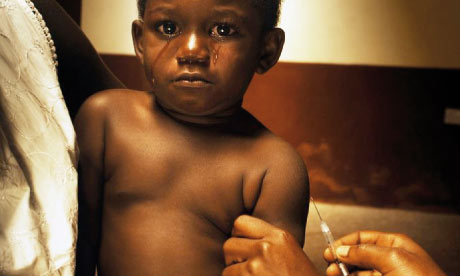
Malaria"If we lose the ground we have gained, we will be back to square one – all that effort and investment, lost. The decisions you make here today will determine the outcome."

In what must be seen as a serious setback in the progress made against the major infectious diseases in poor countries, a board meeting of the Global Fund to Fight Aids, TB and Malaria in Accra, Ghana, has effectively cancelled its next round of grant-making.

The fund has been staring at a financial black hole ever since its big replenishment meeting in New York a year ago failed to deliver the sums it hoped for. It wanted $20bn. It got $11.7bn. That was in spite of exhortations to donors to pledge money from the UN secretary general, Ban Ki-moon, who warned that the stakes were high and that lives would be lost if pressure on the big killer diseases was not maintained.

It once seemed unthinkable that the money would not continue to stream into programmes to treat people with Aids, TB and malaria and to prevent others becoming infected. But that is what is happening. There is no doubt that people who could have been spared will instead fall ill and die as a result of the drying up of funds. There is also a Damoclean sword hanging over the heads of people who are alive and well thanks to drug treatment for their HIV infection. The Global Fund – together with Pepfar (the President's Emergency Plan for Aids Relief) – has been the main source of money to pay for drugs. Those who start the combination treatments to prevent HIV causing Aids must stay on the drugs for life. If they stop, there is a danger the virus will become resistant to the drugs they are on.

The Global Fund's board is buying time by telling governments not to put in new applications for funding for round 11, which is supposed to provide money for 2011 to 2013. It is offering a "transitional funding mechanism", which will allow countries to ask for money to cover essential needs. In recognition of the danger of stopping HIV treatment, this should allow countries to continue to supply drugs to people who are already taking them.

But, as Secretary of State Hillary Clinton said in her recent address, the need now is to step up the fight against HIV by providing more drugs – not less. Scientific studies showed this year that treatment makes people with HIV less infectious. Failure to keep rolling out the drugs to more and more people will waste an opportunity to deliver what she and others have hopefully termed "an Aids-free generation".

Read the rest.


[Content that is linked from other sources is for informational purposes and should not construe a Mapping Pathways position.]