Mapping Pathways is a multi-national project to develop and nurture a research-driven, community-led global understanding of the emerging evidence base around the adoption of antiretroviral-based prevention strategies to end the HIV/AIDS epidemic. The evidence base is more than results from clinical trials - it must include stakeholder and community perspectives as well.

Showing posts with label HIV/AIDS research and development. Show all posts

01 April 2014

Mapping Pathways Launches NEW Report - "Community-driven strategies for the use of ARVs as prevention: United States Workshop Report"

The Mapping Pathways United States Workshop Report is launched today, providing the results of three HIV prevention scenario-development workshops held in 2013 in the United States.

The "Community-driven strategies for the use of antiretrovirals as prevention: United States Workshop Report" analyses, aggregates and synthesises different factors, issues, and drivers identified by workshop participants and constructs a future scenario for HIV prevention strategies using ARV (antiretroviral) drugs in the United States. Integration - of factors and systems involved in both treatment and prevention - is the main driver of success.

We hope you will read the report and utilize it in your organizational/jurisdictional planning processes for HIV prevention and care services. Please share the report with colleagues you think will be interested.

 In 2013, a subset of the Mapping Pathways team conducted knowledge-exchange workshops in San
Atlanta workshop participants
Francisco, Atlanta, and Washington, D.C., to further share the findings of our 2013 report ("Developing evidence-based, people-centred strategies for the use of antiretrovirals as prevention") and to continue enhancing the community-driven, locally informed approach to the wider evidence base for ARV-based prevention.

The cities were selected based on geographic diversity as well as the diversity of experience and expertise that can be found in each setting.

All three workshops included a mix of approximately 20 researchers, advocates, policy experts, public health officials, and service providers; they were diverse in terms of age, race, gender identity, sexuality, sero-status, and years in the field, with a blend of local to national experiences and perspectives.

Participants collaboratively developed a range of future scenarios and potential strategies linked to prevention programming goals and objectives. They were asked to think ahead to the year 2025, and envision an array of outcomes associated with the implementation of ARV-based prevention.

Based on participant ideas and concepts synthesised across all three workshops, we developed a ‘Mapping Pathways’ scenario for the future which has a strongly integrated approach at its core. The main driver of this future scenario is one of integration across political, economic, social, educational, and technological factors, and integration across the broader scientific, healthcare, and delivery systems. This means that we integrate both treatment and prevention strategies, including how we develop them, how we fund them, and how we deliver them, into one holistic approach.

Political and economic factors considered by workshop participants

The Mapping Pathways scenario was informed by these key themes common to all the workshops:

• Participants emphasised the need for a more holistic approach to HIV services in which prevention and treatment were not seen as mutually exclusive.

• Social and behavioral research must be supported and integrated with biomedical research.

• Digital web and device-based technologies and information sharing will affect access, uptake, and adherence.

• The Affordable Care Act (ACA) offers major opportunities for expanding access to healthcare, and poses challenges in HIV prevention and care delivery as the landscape evolves.

• Community-based organizations have a leading role to play in the new healthcare paradigm being ushered in with the ACA. They can help generate political will, drive research agendas, and deliver integrated care to communities and populations in need.

• Diversified funding streams are needed, and many of the optimistic scenarios generated by participants included strategies to engage a wide range of funders.

Click here for the United States Workshop Report.

[Please look for us on Facebook here www.facebook.com/MappingPathways and you can follow us on Twitter @mappingpathways as well.]

13 June 2012

Advisory Committee Recommends FDA Approval of In-Home HIV Test

via nature.com, by Cassandra Willyard

Last month, patient advocates hailed the unanimous vote by an advisory committee to the US Food and Drug Administration that recommended that the agency approve the OraQuick In-Home HIV test, an over-the-counter diagnostic that can be taken without medical supervision. If approved, the OraQuick test would be the first home test approved for an infectious disease. But concerns remain about whether the price will render it out of reach of those who need it most and what the test will mean for the handful of individuals participating in HIV vaccine trials.

The OraQuick test, from Pennsylvania-based OraSure Technologies, is a home version of a rapid HIV test already used in many medical centers. The kit includes an instructional booklet and a test stick, which the user swipes along his or her upper and lower gums and contains molecules that react against HIV-specific antibodies produced by the body. Results are ready just 20 minutes later. Two lines on the dipstick signify a positive result, which must be confirmed by a more sensitive test at a clinical laboratory. The company plans to provide a 24-hour hotline so that customers can ask questions or receive counseling, but the phone call is optional.

FDA approval of OraQuick would probably pave the way for other in-home HIV tests. Chembio Diagnostic Systems, based just outside New York City, already plans to seek approval for a home version of its rapid 'Sure Check HIV' test, which requires a drop of blood. Although over-the-counter tests for HIV and hepatitis C are already available from Illinois-based Home Access Health Corporation, both require the consumer to send a blood specimen to a laboratory for analysis and results.

No test is perfect, however, and one major concern is that people who test negative using the OraQuick kit might actually have HIV. In a recent phase 3 trial, OraSure gave the prototype to 5,662 individuals to use in their homes. The results, made public by the company in filing for approval, indicate that only 93% of the 114 individuals infected with HIV received a positive test result. In the clinical setting, the same test is 99% accurate. Why the home test missed so many infections isn't clear. Because the OraQuick test detects HIV-specific antibodies, recently infected individuals may test negative. False positives seemed to be less of a problem; only one uninfected study participant tested positive.

Read the rest.


[Content that is linked from other sources is for informational purposes and should not construe a Mapping Pathways position. Please look for us on Facebook here www.facebook.com/MappingPathways and you can follow us on Twitter @mappingpathways as well.]

05 June 2012

Reuters: India Should Tax Air Tickets to Pay for AIDS Drugs - U.N.

via Reuters.com, by Nita Bhalla

Millions of the world's poorest people could have easier access to life-saving drugs if India introduces an air ticket tax to help fund purchases of cheap medicines for HIV/AIDS, malaria and tuberculosis, a senior U.N. official said.

UNITAID, a U.N. agency which negotiates for cheap medicines from pharmaceutical manufacturers to treat deadly diseases, is lobbying countries such as India to join its air ticket levy initiative which began in 2006.

Under the program, countries put a nominal amount on the cost of air tickets which funds UNITAID to buy drugs for patients in the developing world. Ten countries have imposed the levy, generating $200 million annually for cheap medicine.

"What we want in India is a similar system by which a very small contribution which is painless to the traveler can be applied to large numbers of travelers," UNITAID Executive Director Denis Broun told AlertNet in an interview.

"Since air traffic is very high in India, the small amount of levy makes a huge difference to the amount of drugs that we can purchase and the number of poor who can benefit from them."

HIV/AIDS, malaria and tuberculosis kill 4.4 million people each year, UNITAID says. Approximately 14.2 million people are in need of anti-retroviral drugs globally, yet more than half cannot afford them.

India's airlines are reeling under a debt load of $20 billion and lost $2 billion last year, as high fuel prices, a weakening rupee and competition kept fares low and costs high.

Read the Rest.


[Content that is linked from other sources is for informational purposes and should not construe a Mapping Pathways position. Please look for us on Facebook here www.facebook.com/MappingPathways and you can follow us on Twitter @mappingpathways as well.]

04 May 2012

Researchers Report Low Number of People Living with HIV That Adhere to HIV Treatment and Care

via AIDSmeds.com, by Tim Horn

Only one in five people living with HIV meet the criteria for being established and retained in care, according to a new analysis involving 12 clinics across the United States to be published in a forthcoming issue of the Journal of Acquired Immune Deficiency Syndromes. Though the authors warn that the data involving nearly 23,000 people enrolled in the HIV Research Network are not representative of retention rates in the country, the results nevertheless underscore a need for improvements in keeping those living with the virus connected to care.

As John Fleishman, PhD, of the Agency for Healthcare Research and Quality in Rockville, MD, and his colleagues write: HIV care is a continuum. One end reflects the estimated 1.2 million people believed to be living with HIV in the United States; the opposite end reflects the low rate (28 percent) of people living with HIV in the country who are successfully engaged in HIV care, receiving antiretroviral therapy and maintaining undetectable viral loads.

Provision of care is problematic at intermediate points in this continuum. “An estimated 21 percent of persons living with HIV in the U.S. are unaware of their infection,” the authors note. “Among those aware of their HIV infection, initial linkage to care is often delayed. After patients have been linked with a provider and have made an initial visit, they must still remain in care, with regular visits over a long time period.”

The study conducted by Fleishman’s group examined these later, but essential, stages in the HIV care continuum, notably rates of establishment and retention in care. These rates were determined using three main measurements.

“Establishment” applied to patients who made follow-up visits for longer than six months after showing up once for HIV care. “Retention” applied to patients who had been seen at least twice at HIV Research Network clinics, with visits separated by 90 days, in each year following their initial visit. The researchers also considered the rate of patients lost to follow-up—those who stopped their HIV Research Network clinic visits without notifications.

Read the Rest.


[Content that is linked from other sources is for informational purposes and should not construe a Mapping Pathways position.]

23 April 2012

Adherence – the key to success?

Original content from the Mapping Pathways blog team

A recent Mapping Pathways post talked about how the Partners PrEP study helped some couples work through their relationship problems – these couples saw the trial as a way to save their strained marriages. A key finding from the trial was the high level of adherence observed amongst the participants. The HIV-negative partner would remind the HIV-positive partner to take medication on time, replenish pill supplies, and keep follow-up appointments with counselors.

Adherence was also a key issue that came up at the Conference on Retroviruses and Opportunistic Infections (CROI) held recently in Seattle, Washington. Adherence is critical to interpreting the results in any trial, since a study pill, if not taken as directed, can make a highly effective pill appear ineffective.

A case in point is the FEM-PrEP study that involved 2,056 HIV-negative women in South Africa, Kenya and Tanzania who were randomly assigned to take either a daily Truvada pill or a placebo pill. However, the trial was stopped in April 2011 due to “futility” when an interim analysis discovered both trials arms having near-identical HIV infection rates. There were 33 HIV infections in women taking Truvada and 35 in women taking placebo.

While the participants in the study stated that they took their pills 95% of the time, drug levels found in the blood of women assigned to the Truvada study wing indicated that less than 50% of the women had actually taken the drug in the last 12 days.

In contrast, the Partners PrEP study, which enrolled 4,758 seriodiscordant (one partner HIV-negative and the other HIV-positive) couples in Kenya and Uganda, indicated adherence to medication at almost 97%. 

Why was there such a drastic difference in the levels of adherence in the two trials? Investigators suggested that the differences in population between the two studies could be one reason. The Partners PrEP study involved couples who defined themselves as being in long-term, stable relationships, which was one of the pre-requisites for lasting through the two-year-long trial.

On the other hand, the women recruited for the FEM-PrEP study were much younger and there was no such requirement of being in a stable relationship. Initial qualitative surveys indicated these women did not believe themselves to be at a high risk of HIV, despite high incidence in the community around them. 

In short, the Partners PrEP study had in-built adherence motivators, in the form of committed partners, many of who participated in the whole process and actively helped their companions adhere to pill intake.

Could similar intrinsic motivators have improved the rate of adherence to medication in the FEM-PrEP study? And could similar subtle motivators be incorporated in other studies to improve the rates of adherence?

“Adherence is the word on everyone’s lips and minds these days – at CROI, at M2012, among trial designers, program implementers and advocates,” says Jim Pickett, Director of Prevention Advocacy and Gay Men's Health at the AIDS Foundation of Chicago and a Mapping Pathways member.

Stay tuned to the Mapping Pathways blog for more interesting posts on the important issue of adherence.


[Content that is linked from other sources is for informational purposes and should not construe a Mapping Pathways position.]

19 April 2012

Congratulations to Bob Grant for Making it Into Time's 100 Most Influential People!

via Time Magazine, by Kenneth Cole

When the history of the AIDS epidemic is written, I hope there will be a chapter on Dr. Robert Grant, a professor of medicine at the University of California, San Francisco, and at the Gladstone Institute of Virology and Immunology. Through one landmark study in November 2010, Dr. Grant, 52, changed the way AIDS researchers think about preventing HIV transmission. He and his team showed that gay, HIV-negative men could radically lower their risk of contracting HIV from their sexual partners by taking a combination antiretroviral drug already used to treat people living with the virus.

Later studies showed that this technique could work to prevent HIV transmission among heterosexual men and women too. This not only saves lives but provides a model that could one day halt new infections everywhere. We are in debt to Dr. Grant, who has shown us another way to curb an epidemic that has already claimed 30 million lives.

See it here.


[Content that is linked from other sources is for informational purposes and should not construe a Mapping Pathways position.]

21 March 2012

CROI 2012: Researchers Compare Differences in Progession to AIDS Between Races

via POZ Treatment News, by Tim Horn

Some sobering news from the Women’s Interagency HIV Study (WIHS): Black women living with HIV are more likely to progress to AIDS and twice as likely to die of its complications compared with white women living with HIV, according to new results from the cohort presented Tuesday, March 6, at the 19th Conference on Retroviruses and Opportunistic Infections in Seattle. Though black women were significantly less likely to adherence to antiretroviral (ARV) therapy in the analysis, their risk of AIDS-related deaths were still significantly higher after accounting for this.

Eighty percent of HIV infections globally occur in women and people of African descent, but the majority of studies on antiretroviral (ARV) therapy have been conducted in men of European descent, Kerry Murphy, MD, of Albert Einstein College of Medicine in New York and her WIHS colleagues explained in their introduction comments.

Though previous data from the WIHS—one of the largest and longest cohort studies following women living with HIV in the United States—pointed to better survival among white women in the United States, the finding was not statistically significant, at least not when the results were published in 2005. The study has been under way since 1993, with sites in Brooklyn, the Bronx, Chicago, Los Angeles, Northern California and Washington, DC.

With additional follow-up data now available, the WIHS researchers again revisited potential associations between race, AIDS-related deaths, non-AIDS related deaths and the new AIDS-related illnesses in the cohort.

Included in the analysis reported by Murphy and her colleagues at CROI were 1,471 women living with HIV on continuous ARV therapy.

Compared with white women in the cohort, black women were twice as likely to die of an AIDS-related complication. This finding was statistically significant and accounted for other known predictors of AIDS death, including high depression scores, high pre-treatment viral loads, low pre-treatment CD4 cell counts, hepatitis C coinfection and a history of illicit drug use.

Read the Rest.


[Content that is linked from other sources is for informational purposes and should not construe a Mapping Pathways position.]

16 March 2012

PrEP trial helps some couples work through relationship disharmony

Original content from the Mapping Pathways blog team


In an interesting development, many of the couples involved in a pre-exposure prophylaxis (PrEP) trial in Kenya and Uganda saw the trial as a way for them to save their strained relationships.

The trial was the Partners PrEP study and the couples involved were serodiscordant couples (heterosexual couples in which one partner was HIV negative and the other was HIV positive). The objective of the study is to see whether having this medication in the bloodstream prevents the HIV uninfected partner from getting HIV. According to researchers, a whopping 99 percent of the prescribed doses were taken, as opposed to other new prevention technology trials where the level of adherence has been significantly lower. .

The reason behind this became obvious once the researchers did a little digging. It was often found that when the HIV-negative individual first found out that their partner was HIV positive, it tended to create a crisis in the relationship with the HIV-negative partner having doubts about his/her own safety as well as the faithfulness of the HIV-positive partner. Many couples saw condoms as expensive and uncomfortable and, as a result, their physical intimacy reduced to a minimum.

The couples struggling with this situation saw the PrEP trial as a means to resolve the crisis in their relationship. They understood that though PrEP was unproven, it might still offer a ray of hope for them: protection for the partner who was HIV negative and an option that could help potentially restore intimacy.

Suddenly, rebounding from the hostility that had begun to characterize their relationship, trial investigators observed that the couples became very keen to keep follow-up appointments and replenish their pill supplies. Study participants received adherence and relationship counseling and the couples cited the counselors as a crucial source of support. Partners reminded one another to take their pills on time, and even the children got involved at times, asking their parent to take their doses according to schedule. The couples started to use mobile phone alarms to time their doses and made sure that, despite hectic workloads, the dosage schedules were adhered to.

Of course, not all couples found harmony in their relationships during the PrEP trial. For some, the discord did not end: some quarreled and accused the other partner of perceived infidelities and some partners accused the others of indifference and opposition to the treatment. However, these cases were overshadowed by the ones that saw PrEP as a new beginning for their relationships.

Said one participant “My husband reminds me to take my drugs the moment the time is up. Even before the radio mentions the time, he quickly reminds me that I need to swallow my drugs. If he knows I am travelling somewhere, he tells me to carry my drugs. He doesn’t want me to leave my drugs behind.”

The main takeaway for researchers was that partnered relationships provided strong support for PrEP adherence. One partner knowing the HIV status of the other and supporting him/her through the trial enhanced the quality of findings of the trial and, more importantly, helped in some cases to sustain the relationship through a rocky period.

Read more about this study here.  And for a first-hand example of how love can play an important part in HIV prevention and treatment, read about an Indian couple’s Modern Day HIV Love Story

[Content that is linked from other sources is for informational purposes and should not construe a Mapping Pathways position.]

09 March 2012

Major Budget Cuts Hinder HIV/AIDS Treatment

via Nature News, by Erika Check Hayden

Preventing the spread of HIV used to mean testing people for infection and encouraging them to practise safe sex. Increasingly, it also means prescribing drugs, as studies show that giving infected people or their uninfected partners antiretroviral drugs as soon as an infection is diagnosed can help to check the spread of AIDS.

Yet at this week’s annual Conference on Retro­viruses and Opportunistic Infections in Seattle, Washington, there was growing concern that financial austerity in the United States and elsewhere is eating away at the funding needed for a worldwide prevention effort.

Many scientists and advocates agree that there is now an “awesome possibility to prevent the spread of HIV”, says Sharonann Lynch, HIV policy adviser for Médecins Sans Frontières (MSF, also known as Doctors Without Borders) in New York. “If we decrease the money invested in treatment now, we are squandering the best opportunity we’re going to have to get ahead of the wave of new infections.”

Last month, US President Barack Obama’s 2013 budget request proposed a 10.8% cut to direct international aid for HIV programmes under the President’s Emergency Plan for AIDS Relief (PEPFAR) which, together with previous cuts, would slice more than US$1 billion from the fund’s 2010 level. And last November, the Global Fund to Fight AIDS, Tuberculosis and Malaria said that it would not hand out any more funds for scaling up AIDS treatments until 2014 because of tightening budgets in donor countries.

The shortfalls come as a slew of results presented this week reinforce a growing consensus about the power of early treatment for HIV infections. The latest data are part of a trend that accelerated last May, when HPTN 052, a clinical trial run by the multinational HIV Prevention Trials Network, showed that giving antiretroviral drugs to people who are HIV-positive can stop them from passing the virus to their uninfected partners. In light of such results, the World Health Organization is expected to issue new guidelines for managing HIV in couples soon.

Read the Rest.

[Content that is linked from other sources is for informational purposes and should not construe a Mapping Pathways position.]

08 March 2012

CROI Reports First Trial Results on HIV Injectable Treatment

via AidsMap.com, by Gus Cairns

The first trial in humans of an injectable, once-a-month formulation of an HIV drug has found that drug levels were maintained at a level that should in theory be high enough to protect recipients against infection, and that the drug has so far produced very few side effects. The research was presented at the 19th Conference on Opportunistic Infections (CROI), in Seattle.

The small trial at the St Stephen’s AIDS Trust (SSAT) at London’s Chelsea and Westminster Hospital gave 27 women and six men a single injection of the long-acting formulation of the drug rilpivirine, which was licensed as an oral HIV treatment last year as Edurant and is also in the tenofovir/FTC/rilpivirine pill Complera. Rilpivirine is a non-nucleoside reverse transcriptase inhibitor (NNRTI) drug and is especially suitable to be turned into a long-lasting injectable form because the daily dose of it required to suppress HIV is very small.

No other HIV drugs are currently in a usable long-lasting injectable form, which will limit the use of long-acting rilpivirine (RPV-LA) in combination therapy, but it could conceivably make an ideal candidate as a prevention drug, as people would not need to remember to take it every day. Other preventative drugs already formulated as monthly injections include the injectable contraceptive Depo Provera and some anti-psychotic drugs.

SSAT recruited 27 HIV-negative women aged 18 to 50, more than 50% of them black African or Caribbean, for the trial and gave them one of three doses of RPV-LA as an intramuscular injection: 300, 600 or 1200mg (the oral dose of RPV is 25 mg/day). Drug levels were then measured over the course of the next twelve weeks in blood, vaginal fluid and in vaginal tissue samples. A substudy gave six men the 600mg dose and measured RPV-LA levels in blood, rectal fluid and rectal tissue samples.

Thirty days after injection, blood and vaginal fluid levels of rilpivirine were about 60 nanograms per millilitre (ng/ml) in both blood and vaginal fluid in women given the 600mg dose, and about 80 and 120ng/ml respectively in women given the 1200mg dose. Blood levels in men given the 600mg dose were about 70ng/ml at 30 days. For comparison, the trough levels of rilpivirine in people taking daily oral doses is about 140ng/ml; but the EC50 (the amount needed to reduce viral replication by 50%) in newly-infected T-cells is 27ng/ml. It is thought these levels should be adequate to prevent HIV infection. 

Read the Rest.


[Content that is linked from other sources is for informational purposes and should not construe a Mapping Pathways position.]

01 March 2012

The Impact of the West on the AIDS Epidemic


viaNPRbooks

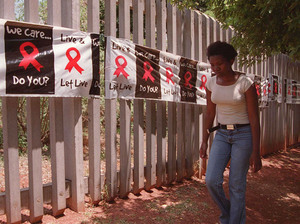
A woman walks past a banner placed around the perimeter of the Rand Afrikaans University in Johannesburg on World AIDS Day. The university used the banner to raise public awareness about AIDS and the devastating toll the disease has had in South Africa. HIV is a slow-moving time bomb.

Unlike Ebola, which infects and kills people quickly — and then disappears just as quickly — the HIV epidemic has become so good at killing people in part because it moves so very slowly, says journalist Craig Timberg.

"In vaginal sex, you can have sex with hundreds of people and not transmit [HIV], it turns out," he says. "And that's part of the reason it's still with us today. It has spread very slowly. It makes people ill very slowly. ... And that's one of the reasons why it's been so difficult for the world to understand it. ... It's been hard to make sense of this epidemic because of the way it moves. It's not obvious."

The History Of HIV

Timberg tells Fresh Air's Dave Davies that the simian version of HIV — which is called SIV — has been around for thousands of years. It was only when colonial powers migrated across parts of Africa — where the SIV virus existed among the chimps — that the virus started to spread among humans.

"It was only with the introduction of these new transport routes, of these human movements, that HIV popped out of the chimpanzee population and starts an epidemic among the human population and became what we see today," he says.

In the past 100 years, 99 percent of all of the world's deaths from AIDS have come from a strain of the virus called HIV-1 group M, which first appeared in remote parts of Cameroon, where African porters worked a century ago cutting paths across dense brush in places where humans had never before traveled.

"The best theory is that a human caught a chimp, was butchering a chimp — which is a very bloody business — and in the process of that cut his hand, and the virus mutated as it went into the human bloodstream," says Timberg. "... [There was] human movement in areas where humans didn't live in great density before colonialism arrived — you had the arrival of the rubber trade and the ivory trade, and suddenly you had to go into these very deep parts of the forest that were not hospitable to humans before and since."

From Cameroon, strains of HIV migrated down into other parts of central Africa and then into Leopoldville, which is now called Kinshasa. Leopoldville was a Belgian territory and by 1920 had become the capital of the Belgian Congo — complete with factories, shipyards, railways and single-sex dormitories for the workers, who were thrust into urban living conditions.

"You had the kind of human movement that could really get an epidemic moving," says Timberg.
In 1960, the Belgians gave up Congo, which then became an independent country again. At that point, 1,000 to 2,000 people likely had HIV, says Timberg.

"But you have to bear in mind, when HIV progresses into AIDS, it looks like a lot of other diseases," he says. "You have diarrhea, you have fevers, you have wasting. So there's not much evidence that anybody at the time had any evidence that there was a new sickness."

The unknowingly infected inhabitants of Kinshasa mingled with U.N. aid workers who were flown over from Haiti to work as physicians and civil servants. It is almost certainly the case, says Timberg, that one of the Haitian aid workers caught HIV in Leopoldville and then flew back to Haiti.

Fighting AIDS In Africa

In the 1980s in the United States, there was a large resistance to the idea that HIV and AIDS could spread widely among a heterosexual population — in part, says Timberg, because it didn't happen in many places. But across Africa, he says, it was a different story.

"The first researchers who began to look into the HIV epidemic in Africa found these unbelievable rates of infection that frankly horrified them and terrified them," he says. "When they began to write their papers about this, the peer-reviewed medical journals were like, 'You're crazy. You can't have HIV spreading like this.' But in Africa, it did."

Many African countries initially ignored the AIDS crisis, but some nations — like Uganda and Zimbabwe — were successful in providing public health information and slowing the spread of the disease. Timberg says when Western countries later became serious about fighting the African AIDS epidemic, international AIDS groups didn't follow Uganda's model — and overlooked some relatively simple and inexpensive approaches proven to stem the spread of HIV.

One of their errors, he says, was overlooking the effectiveness of male circumcision. Circumcised men are at a much lower risk of becoming infected with HIV through sexual transmission.

"When you look at the parts of not just Africa but the world where HIV is worse, it is almost inevitably societies that don't circumcise," he says. "The science on this began emerging in the 1980s and it became terribly politicized. People were uncomfortable with the subject, and the whole discussion became incredibly controversial. It took almost 20 years for the scientific community and the community of policymakers to really do enough science and enough research to realize how important this was."

Read the Rest.


[Content that is linked from other sources is for informational purposes and should not construe a Mapping Pathways position.]

27 December 2011

Five hundred twenty-five thousand six hundred minutes: How do you measure a year?

Original content from the Mapping Pathways blog team

Another year winds down, and it is time to take stock, to reflect on all the moments that have made 2011 an important year for the HIV prevention community – and for all those of us who hope for and work toward the end of the HIV/AIDS epidemic.

The year began on a high note: the extremely encouraging results from the IPrEx and CAPRISA trials, announced in 2010, had us “jumping up and down” as Jim Pickett (Director of Prevention Advocacy and Gay Men's Health at the AIDS Foundation of Chicago, chair of International Rectal Microbicide Advocates [IRMA], and a member of the Mapping Pathways team) says in his memorable interview, Success! Now What? These results were the long-awaited proof of concept for new prevention technologies – the “first real ‘win’” after many years of hard work.

The first bump in the road was the discontinuation of the FEM-PrEP trial in April due to futility, when the trial’s Independent Data Monitoring Committee concluded that the study would be highly unlikely to prove the effectiveness of Truvada in preventing HIV infection among the study population, i.e., HIV-negative women who are at risk of infection through sexual transmission.

The unexpected development had everyone expressing their opinions and wondering about the implications – after all, what does “futility” mean exactly? Dr. Linda-Gail Bekker (an expert in the field of biomedical trials and research) cautioned against knee-jerk reactions to the trial closure in her interview with Mapping Pathways: “Wait for the evidence, I think that is the message. Extrapolate at your peril. We know only what we know, and we need to just work within that.”

Then came the HPTN 052 results – and we were jumping with excitement again! The study demonstrated that initiation of ART by HIV-infected individuals substantially protected their HIV-uninfected sexual partners from acquiring HIV infection, with a 96 percent reduction in risk of HIV transmission. In an interview with Mapping Pathways, microbicides expert Joe Romano captured the overall sentiment, saying, “The level of efficacy seen in the HPTN052 study is stunning, and is extremely important on several fronts.”

There was good news for India (a Mapping Pathways target country) too: a UNAIDS report stated that the rate of new HIV infections fell by more than 50% in India between 2001 and 2009, double of the average decline in the world. The PrEP debate in India continued through the year. “There is a lot of concern in the country, especially with global funding not available right now,” explains Anjali Gopalan (Executive Director of NAZ India, a Mapping Pathways partner organization), in Notes from India: Concerns and Challenges Around PrEP. Mapping Pathways also published a short post on what we’ve been hearing in India so far.

Soon after the HPTN 052 results, the FACTS 001 trial was announced in South Africa – a follow-up study to confirm the effectiveness of tenofovir and to verify the CAPRISA 004 results in “larger, more diverse populations.”

Around this time, Mark Chataway (co-chairman of Baird’s CMC, a Mapping Pathways partner organization) was in South Africa (a Mapping Pathways target country). “My visit to the country once again brought into sharp focus for me just how significant South Africa and the rest of the southern African region are in the context of HIV treatment and prevention strategies,” writes Mark in his insightful post about South Africa and the HIV epidemic.

July brought bad news: the drought in the Horn of Africa began, bringing the region into international focus as an estimated 11.6 million people struggled for basic nutrition and sanitation in the humanitarian crisis – experts have warned that this situation could have a serious effect on the health of people undergoing HIV treatment.

Prevention trials continued to stay in the news. The Partners PrEP study and the TDF2 Botswana study both showed that taking antiretrovirals can reduce the risk of HIV infection through sexual intercourse by 62-73 percent among heterosexual individuals and heterosexual couples.

As heartening news continued to pour in, the UK’s House of Lords Select Committee on HIV & AIDS gave us another reason to celebrate as they called for greater emphasis and funding toward prevention. “Prevention must be the key policy,” remarked Lord Fowler, chairman of the committee.

In the US, dollars-and-cents issues remained a key factor. “The entire HIV prevention and treatment landscape overall is also in a state of flux in the US … When we get to the end of the day, there are good ideas, and then there are good ideas that are fully funded,” explains Julie Davids (Director of National Advocacy and Mobilization at AIDS Foundation of Chicago, a Mapping Pathways partner organization) in The Economic Effect: HIV/AIDS in the US.

October brought news that rekindled an old debate: the Lancet published the results of a study conducted in Africa, which seemed to suggest that hormonal methods of contraception could lead to increased risk of HIV infection. “Now whether this is a disaster or not, that needs to be considered very carefully in context. There are huge benefits, particularly in the African region, of avoiding an unwanted pregnancy, not only for the morbidity issues but also for mortality reasons … Firstly, we need to work out whether this result is true or not,” points out Dr. Tim Farley (an expert in HIV and sexual and reproductive health) in Hormonal Contraceptives and HIV Prevention: The Grey Area.

Recently, the VOICE trial hit a speed bump: the oral tenofovir arm and the tenofovir vaginal gel arm were dropped from the study. Both decisions were based on reviews of study data, which concluded that they would not be able to demonstrate effectiveness in preventing HIV among the women in the trial (although both products were found to be safe). The reasons for this are still unclear and will be fully investigated when the trial concludes in the middle of 20112. The study continues to examine the oral Truvada tablet to determine whether it’s effective in preventing HIV in the trial population.

A recent highlight was US Secretary of State Hillary Clinton’s speech on HIV/AIDS – one that earned her both bouquets and brickbats from the HIV prevention community. On the upside, Secretary Clinton focused on scientific evidence and called for immediate action to take advantage of the “historic opportunity” to create an “AIDS-free generation.” Unfortunately, she completely omitted any reference to PrEP and rectal microbicides. The speech also failed to mention gay and MSM populations, two groups that are experiencing catastrophic rates of HIV globally.

The year wound up with IRMA’s rectal microbicide African strategy meeting and the big ICASA conference in Addis Ababa, Ethiopia in December. (Click here and here to read about some of the important developments at these events.)

All in all, 2011 has been a dynamic year: lots of excellent news as well as some troubling developments. From the Mapping Pathways blog team, here’s to celebrating our achievements, learning from our failures, and working to address the challenges.

Happy New Year!


[Content that is linked from other sources is for informational purposes and should not construe a Mapping Pathways position.]

02 December 2011

Rectal Microbicides & Africa: A Leap Forward

Original content from our Mapping Pathways blog team

Rectal microbicide advocacy has taken a huge leap forward this year, particularly in Africa. An excellent example of this progress is the International Rectal Microbicide Advocates (IRMA)-hosted Project ARM – Africa for Rectal Microbicides  meeting underway now  in Addis Ababa, Ethiopia in advance of the ICASA 2011 conference. “I am so proud of the fact that we’re at a point where we can hold a two-day strategy meeting in Africa, focusing on rectal microbicides research and advocacy in Africa. That’s just huge. A few years ago this would have been impossible – people would have laughed at you for suggesting it,” says Jim Pickett, chair of IRMA, a Director at the AIDS Foundation of Chicago, and member of the Mapping Pathways team.

The rectal microbicides field itself is also expanding, as researchers continue to push boundaries. Until now, there have only been small-scale Phase I trials for rectal microbicides. This year the first Phase II trial was announced – an expanded safety study that will begin in 2012. “The trial will involve 200 individuals, which is almost double the total number of human beings who’ve been in rectal microbicides trials so far,” Jim points out. The study is going to be multinational, taking the research outside the US to countries like Thailand, Peru, and even South Africa.

“Not too long ago, saying rectal microbicides clinical research and Africa in the same sentence would have gotten a huge eye-roll. Now it’s real, it’s happening,” says Jim. “I think that says a lot about how advocacy and science together have elevated the field, creating a great deal of understanding and support for it.”

Stay tuned to the Mapping Pathways blog for news and updates from the IRMA meeting and ICASA conference in Addis Ababa.

Please note: Registration for the AIDS 2012 conference in Washington, D.C. opened yesterday. Get the details here.


[Content that is linked from other sources is for informational purposes and should not construe a Mapping Pathways position.]

19 October 2011

Hormonal Contraception and HIV: A New Study Rekindles the Debate

* Original content from our Mapping Pathways blog team

Earlier this month, the Lancet published the results of a study conducted in Africa, which seemed to suggest that hormonal methods of contraception could lead to increased risk of HIV infection. The New York Times published a story on the study soon after, one that many HIV/AIDS experts are calling “alarmist”. There has been a great deal of press coverage on the study since then. As Dr. Adolfus Muyoti from the George Washington University said in a discussion on the IRMA (International Rectal Microbicide Advocates) listserv, “The news is all over Africa.”

The study, supported by the US National Institutes of Health and the Bill & Melinda Gates Foundation, followed 3,790 heterosexual HIV-1-serodiscordant couples across seven African countries. According to the Lancet, the aim of the study was to determine if hormonal contraceptive use had any effect on the risk of HIV acquisition by women as well as the risk of transmission from HIV-infected women to their male partners. As the below diagram used in The New York Times article illustrates, at first glance the results looks fairly disturbing.

However, as Heather Boonstra, Senior Public Policy Associate at the Guttmacher Institute, points out on the IRMA discussion listserv, “The study is less conclusive than at first appears, and leading experts in the field agree that, by itself, it does not warrant changes to current programs on the ground.”

Isobel Coleman from the Council of Foreign Relations echoes similar sentiments, “The study … adds urgency to a long-simmering debate over whether there is a link between hormonal contraception and HIV … no conclusive work has been done. The Lancet study is also not conclusive due to small sample sizes, and because the study was not specifically designed to examine contraception use.”  She does, however, add that, “The doubts raised are sufficient that a full-blown, conclusive study should be launched as soon as possible.”[1] (To read the complete write-up on the Council of Foreign relations website, click here.)

In Sub-Saharan Africa, where more than 60% of HIV infections occur in women, the ramifications of this link, if confirmed, would be huge. A hormonal shot every three months is the most popular contraceptive method in the region – about 12 million women between 15-49 years of age use these injectable hormones. If hormonal contraception suddenly became less acceptable, Africa would have to deal with the problems of affordability and access that surround other contraceptive methods.

Most healthcare professionals and researchers working in the field agree on the importance waiting for the results to be confirmed and not spreading large-scale panic. Says Mary Lyn Gaffield, an epidemiologist in the World Health Organization’s department of reproductive health and research, “We want to make sure that we warn when there is a real need to warn, but at the same time we don’t want to come up with a hasty judgment that would have far-reaching severe consequences for the sexual and reproductive health of women.”[2]

Perhaps it is Dr. Muyoti sums up the issue best and most succinctly: “This has the makings of a problem that will be highly contentious and will not be resolved in the short term.”


[1] http://blogs.cfr.org/coleman/2011/10/04/long-lasting-hormonal-contraception-and-the-hiv-epidemic/ 

[Content that is linked from other sources is for informational purposes and should not construe a Mapping Pathways position.]

29 July 2011

Retention in HIV Care between Testing and Treatment in Sub-Saharan Africa: A Systematic Review


Background


Improving the outcomes of HIV/AIDS treatment programs in resource-limited settings requires successful linkage of patients testing positive for HIV to pre–antiretroviral therapy (ART) care and retention in pre-ART care until ART initiation. We conducted a systematic review of pre-ART retention in care in Africa.


Methods and Findings


We searched PubMed, ISI Web of Knowledge, conference abstracts, and reference lists for reports on the proportion of adult patients retained between any two points between testing positive for HIV and initiating ART in sub-Saharan African HIV/AIDS care programs. Results were categorized as Stage 1 (from HIV testing to receipt of CD4 count results or clinical staging), Stage 2 (from staging to ART eligibility), or Stage 3 (from ART eligibility to ART initiation). Medians (ranges) were reported for the proportions of patients retained in each stage. We identified 28 eligible studies. The median proportion retained in Stage 1 was 59% (35%–88%); Stage 2, 46% (31%–95%); and Stage 3, 68% (14%–84%). Most studies reported on only one stage; none followed a cohort of patients through all three stages. Enrollment criteria, terminology, end points, follow-up, and outcomes varied widely and were often poorly defined, making aggregation of results difficult. Synthesis of findings from multiple studies suggests that fewer than one-third of patients testing positive for HIV and not yet eligible for ART when diagnosed are retained continuously in care, though this estimate should be regarded with caution because of review limitations.


Conclusions


Studies of retention in pre-ART care report substantial loss of patients at every step, starting with patients who do not return for their initial CD4 count results and ending with those who do not initiate ART despite eligibility. Better health information systems that allow patients to be tracked between service delivery points are needed to properly evaluate pre-ART loss to care, and researchers should attempt to standardize the terminology, definitions, and time periods reported.

[Content that is linked from other sources is for informational purposes and should not construe a Mapping Pathways position.]

27 July 2011

A Trade Barrier to Defeating AIDS


Earlier this month, [the Medicines Patent Pool, a new organization trying to make AIDS drugs better, cheaper and available sooner to people who need them in poor countries] received its first donation of rights from a pharmaceutical manufacturer, Gilead Sciences.   It is an important step  — but the terms Gilead negotiated are also confirmation of a dangerous new trend: middle income countries as a target market for drug makers.  In the past, pharmaceutical companies have lowered prices in these countries to increase sales.  The new strategy is to treat people in Egypt, Paraguay, Turkmenistan or China — middle-income countries, all — as if they or their governments could pay hundreds or even thousands of dollars a year each for AIDS drugs.   This low-volume high-profit strategy might make  business sense.   But in terms of the war against AIDS, it means surrender.

In the world’s most impoverished countries, AIDS drugs are cheap.   It wasn’t always that way.  Until well into the Clinton administration, the United States government pressured even the poorest countries shamelessly if they tried to bring down the prices of medicine.   Even newly democratic, AIDS-ravaged South Africa became the object of an all-out assault by the Clinton administration to get the country to repeal a law allowing it to break medical patents, a step that was perfectly legal under world trade rules.  Washington was not interested in the health consequences.   (A U.S. trade negotiator who worked on South Africa at the time told me that he had been unaware that AIDS was a major problem there.)    Public outrage over South Africa ended Washington’s pressure on poor countries.   In 2000, President Clinton issued an executive order pledging that sub-Saharan African countries would not face trade sanctions for laws promoting access to AIDS medicines.

The order continues to be largely respected, and the group of countries who are generally able to get access to the cheapest drugs has grown to include the poorest countries from around the world — Afghanistan, Tajikistan, Bangladesh, Burma.    Gilead’s agreement with the Medicines Patent Pool covers these countries.

But countries just above this cutoff line are on their own.  “There are countries that are considered to be “middle income” that will never be able to afford the high prices charged by innovative pharma companies,” said reader A. Grant of New York.  These nations are also losing the discounts that major manufacturers of AIDS drugs used to offer them.  According to Médecins Sans Frontières, which tracks drug prices, prominent manufacturers of AIDS drugs have stopped offering discounts to middle-income countries, or now require that countries negotiate those discounts one by one.

Read the rest here.

[Content that is linked from other sources is for informational purposes and should not construe a Mapping Pathways position.]

21 July 2011

ARV Access Fears Across the World

A slew of recent articles have appeared in the news lately which express concern over the availability and accessability of many countries including Swaziland (PlusNews), Indonesia (Jakarta Globe), and middle-income countries around the world (below). This comes on the heels of the Ranbaxy-Gilead deal which has the potential to greatly increase the supply of these life-saving drugs.


Bad News for Drug Prices in Middle-Income Countries

Middle-income countries with large numbers of people living with HIV will no longer benefit from preferential pricing when buying antiretroviral drugs from large pharmaceutical companies, according to the annual Médecins Sans Frontières drug pricing report, Untangling the Web of ARV Price Reductions.

“The main bad news in the study is the fact that a number of pharmaceutical companies will no longer be providing preferential pricing to middle-income countries like Brazil, China, India and Thailand,” Nathan Ford, medical director at MSF’s Campaign for Access to Affordable Medicines, said at the launch of the report at the 6th International AIDS Society Conference on HIV Pathogenesis, Treatment and Prevention in Rome.

According to the report, pharmaceutical firm ViiV Healthcare – owned by Pfizer and GlaxoSmithKline – no longer offers reduced prices to middle-income countries, even when their programmes are fully funded by the Global Fund to fight HIV, Tuberculosis and Malaria.

Merck has also ceased to offer discounted prices to all lower middle- and upper middle-income countries, proposing instead to negotiate discounts on a case-by-case basis. Previously, Merck offered middle-income countries discounts that were still up to 10 times the price of generic versions. Of particular concern is the price of UN World Health Organization-recommended third-line drug, raltegravir – an integrase inhibitor that blocks retroviral replication – which costs up to US$5,870 per person per year in Brazil, compared with $675 in sub-Saharan Africa.

Janice Lee, pharmacist at MSF’s Campaign for Access to Essential Medicine, noted that drug company discount programmes were not a long-term solution, and governments would have to start using trade-related aspects of intellectual property rights (TRIPS) measures to override patents; in the past, Brazil and Thailand have used compulsory licences – when a government allows someone else to produce the patented product or process without the consent of the patent owner – to lower prices in their countries.

The report notes that Abbott excludes low- and middle-income countries from differential prices for the standalone heat-stable ritonavir 100mg tablet. It blocks the enzyme protease, required by HIV to make new viruses. A spokesman for Abbott said the company’s long-standing pricing policy would protect the poorest people living with HIV.

"Abbott’s preferential pricing policy for ritonavir has been in place, unchanged, for a decade,” Dirk van Eeden, director of HIV communication and policy at Abbott, told IRIN/PlusNews via email. “It includes all African and least developed countries, where the outright majority of patients with HIV live.”

ViiV Healthcare also defended its pricing policy, saying it was committed to ensuring access to its medicines.

Read the rest here.

Content that is linked from other sources is for informational purposes and should not construe a Mapping Pathways position.]

19 July 2011

Capitalizing on Scientific Progress

A report released this morning by HIV Vaccines and Microbicides Resource Tracking Working Group at the IAS conference in Rome "found that overall investment in HIV prevention R&D had actually increased, with the modest exception of a one percent decline in vaccine R&D. The report documented a total US$1.19 billion investment in research and development (R&D) for four key HIV prevention options: preventive vaccines, microbicides, pre-exposure prophylaxis (PrEP) using antiretroviral drugs, and operations research related to medical male circumcision.":

"2010 has been a year of retrospection, a time for looking back over the 30 years since the first published report of the mysterious illness that would come to be known as AIDS. As sobering as this anniversary has been, it has also been a time for some optimism and calls to end the epidemic. These calls may not be simply wishful thinking, fueled as they have been by promising research results over the past two years in vaccines, microbicides, pre-exposure prophylaxis using antiretrovirals (PrEP), and antiretroviral treatment as prevention—results that have energized the entire HIV prevention field.

The first good news came at the end of 2009, when researchers in the RV 144 Thai vaccine trial reported that a vaccine combination had reduced risk of infection by 31 percent—the first clinical evidence that a preventive AIDS vaccine would be possible. Then, in July 2010, the CAPRISA 004 trial team announced its findings–that use of 1% tenofovir (TDF, also known as Viread®) vaginal gel reduced women’s risk of HIV infection by 39 percent—providing the first proof that a microbicide would be possible. This news was followed in November 2010 by the announcement from the iPrEx trial team that daily oral tenofovir/emtricitabine (TDF/FTC, also known as Truvada®) had reduced risk of HIV infection by an estimated 44 percent overall in men who have sex with men (MSM) and transgender women, and proved for the first time that HIV prevention using PrEP would be possible. And finally, in early 2011, the HIV Prevention Trials Network (HPTN) 052 trial established that use of antiretroviral therapy (ART) by HIV-positive individuals reduced transmission to their partners"

Source: HIV Vaccines and Microbicides Resource Tracking Working Group

[Content that is linked from other sources is for informational purposes and should not construe a Mapping Pathways position.]

IAS 2011: The Conference So Far

As you probably know, Mapping Pathways is in Rome this weekend for IAS 2011, the 6th IAS Conference on HIV Pathogenesis, Treatment and Prevention. We are very excited to be there, but in case you couldn't join us here is what has been happening the last few days:

Every day the conference is in session, the International AIDS Society releases a press release describing details and highlights from each day. The first three can be found here, here, and here. Another important press release from the conference discusses treatment as prevention.

Lancet has published several articles about the conference and treatment as prevention as well.


[Content that is linked from other sources is for informational purposes and should not construe a Mapping Pathways position.]

South Africa's Government Mulls State Pharmaceutical Company

Via Mail & Guardian, by Nickolaus Bauer.

The [South African] government was mulling the formation of a state-owned pharmaceutical company, African National Congress (ANC) secretary general Gwede Mantashe said at Luthuli House on Tuesday.

Mantashe was addressing reporters at the ruling party's headquarters in Johannesburg following an ANC lekgotla (meeting) on July 17.

"There is a need and this is in line with our Polokwane resolutions. At the moment South Africa consumes 25% of the world's ARVs [antiretrovirals], and it's with this in mind that we are looking at starting a state-owned pharmaceutical company," Mantashe said.

According to research carried out by the ANC into HIV/Aids infection rates, South Africa has 17% of the world's HIV-positive people.

"We had an idea for a state-owned mine company. That company is now running a coal mine and will open another one soon," he said.

Mantashe assured reporters the company would not threaten the pharmaceutical industry.

"There is a need and this is in line with our Polokwane resolutions. This doesn't mean the pharmaceutical industry will close down. The state-owned pharmaceutical company will operate within the industry," he said.

Read the rest here.

[Content that is linked from other sources is for informational purposes and should not construe a Mapping Pathways position.]