
via aidsmap, by Roger Pebody
 With new data suggesting that injectable contraceptives may double the risk both of acquiring and passing on HIV, how will this affect women’s contraceptive choices? What are the implications for family planning policy in countries with a high burden of HIV?
Experts are mindful that the HIV-related risks need to be balanced with contraception’s benefits for maternal and child health. Family planning helps to prevent unintended pregnancies and the number of unsafely performed abortions, thereby reducing maternal deaths, disabilities and infertility. It can prevent high-risk pregnancies among adolescents, older women, women in poor health and women who have had many births or births spaced too closely together. Because it helps women to space births, child mortality rates are lower; mothers have more time to breastfeed, improving infant health; and women have more time to recover physically and nutritionally between births.
Moreover, preventing unwanted pregnancies in women with HIV is also one component of strategies to reduce mother-to-child HIV transmission.
At the International AIDS Society’s conference in Rome in July, Dr Renee Heffron of the University of Washington presented results from an analysis of data from the Partners in Prevention cohort in seven African countries. The results, reported on Aidsmap at the time, showed that HIV-negative women who were in a relationship with an HIV-positive man had twice the risk of acquiring HIV if they used hormonal contraception. Furthermore, HIV-positive women had twice the risk of transmitting HIV to their male partners if they used hormonal contraception.
Read the rest.
[Content that is linked from other sources is for informational purposes and should not construe a Mapping Pathways position.]
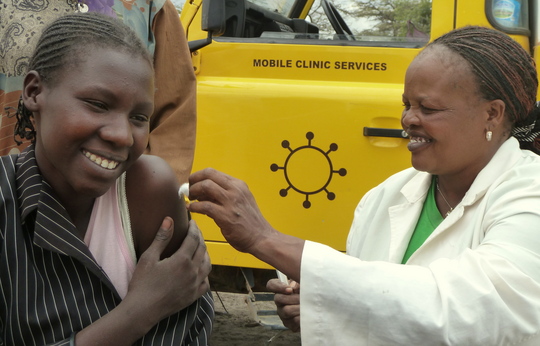 With new data suggesting that injectable contraceptives may double the risk both of acquiring and passing on HIV, how will this affect women’s contraceptive choices? What are the implications for family planning policy in countries with a high burden of HIV?
Panellists on a teleconference on the topic, organised by AVAC last week, agreed that the data do not yet provide definitive answers and that healthcare providers need to avoid frightening women away from contraceptive methods they know and trust.
Experts are mindful that the HIV-related risks need to be balanced with contraception’s benefits for maternal and child health. Family planning helps to prevent unintended pregnancies and the number of unsafely performed abortions, thereby reducing maternal deaths, disabilities and infertility. It can prevent high-risk pregnancies among adolescents, older women, women in poor health and women who have had many births or births spaced too closely together. Because it helps women to space births, child mortality rates are lower; mothers have more time to breastfeed, improving infant health; and women have more time to recover physically and nutritionally between births.
Moreover, preventing unwanted pregnancies in women with HIV is also one component of strategies to reduce mother-to-child HIV transmission.
At the International AIDS Society’s conference in Rome in July, Dr Renee Heffron of the University of Washington presented results from an analysis of data from the Partners in Prevention cohort in seven African countries. The results, reported on Aidsmap at the time, showed that HIV-negative women who were in a relationship with an HIV-positive man had twice the risk of acquiring HIV if they used hormonal contraception. Furthermore, HIV-positive women had twice the risk of transmitting HIV to their male partners if they used hormonal contraception.
Read the rest.
[Content that is linked from other sources is for informational purposes and should not construe a Mapping Pathways position.]


